In the ecosystem of your website, some pages are lush forests of information, while others are barren deserts. These desert pages, known in the SEO world as low-content or “thin” content pages, offer little to no value to visitors. They can be pages with a few scant sentences, auto-generated content, or doorway pages designed only to funnel users elsewhere. Whatever their form, they are a significant liability to your website’s health and search engine ranking.
Google’s algorithms are designed to reward sites that provide helpful, reliable, people-first content. Thin content does the opposite. It signals to search engines that your site may be low-quality, which can negatively impact your rankings across the board. For a deeper dive into content quality, see our article on improving content readability.
What Constitutes Thin Content?
Thin content isn’t just about a low word count; it’s about a lack of value. Here are some common culprits:
- Low Word Count Pages: Pages with very little unique text that fail to adequately cover the topic and answer user questions.
- Duplicate Content: Pages that are exact duplicates or near-duplicates of content from other pages on your site or from external websites.
- Doorway Pages: Pages created to rank for specific queries that then funnel users to a different, often unrelated, page.
- Auto-Generated Content: Text generated programmatically without any human oversight or value-add.
- Category Pages with No Unique Content: Common on e-commerce sites, these pages may only contain a grid of product images and links, with no helpful introductory text.
A Strategic Guide to Fixing Thin Content
Transforming your thin content pages into valuable assets is a critical SEO task. The first step is always to perform a thorough content audit to identify which pages need attention. It’s probably best if you try to create your own template based on some kind of high-level overview of steps and possibilities recommended during a content audit. Once you have your list, here are your strategic options:
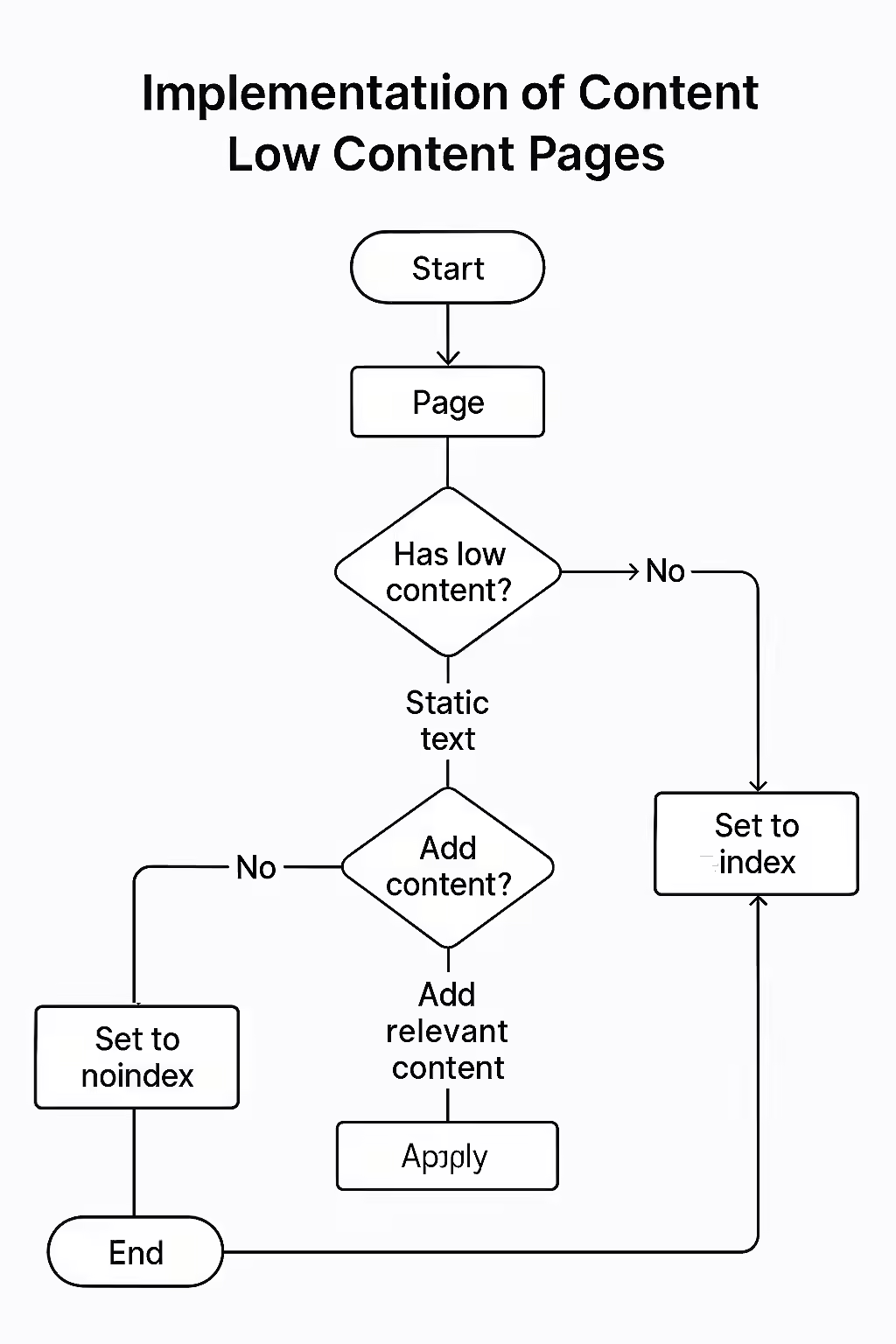
- Improve and Expand: This is the best option for pages that cover a relevant topic but are underdeveloped. Flesh them out by adding more detail, expert insights, data, examples, or helpful media. Ask yourself: what would make this page the best resource on the internet for this topic? Can you add a ‘how-to’ section, a Q&A, or an original case study?
- Consolidate and Merge: If you have multiple thin pages on the same topic, combine them into a single, comprehensive guide. This creates a much stronger, more authoritative resource that is more likely to rank. This process is a key part of “content pruning.”
- Prune and Redirect: If a page has no value, is outdated, and cannot be improved, the best course of action is to delete it. To preserve any potential link equity and avoid creating a broken link, implement a 301 redirect from the old URL to the most relevant live page on your site.
The SEO Power of Substantial, Helpful Content
By addressing thin content, you are aligning your website with Google’s core mission: to provide users with the best possible answers to their questions. This focus on quality will not only improve your SEO but also build trust with your audience, leading to higher engagement and conversions. For more on creating content that resonates, refer to the Google Search Central documentation on creating helpful content.
Frequently Asked Questions
What is considered a low-content or thin content page?
A low-content page, also known as thin content, is a page that offers little to no value to the user. This can include pages with a very low word count, pages that are mostly duplicate content, doorway pages, or pages with automatically generated text.
Is word count the only thing that matters for thin content?
No. While a very low word count can be a strong indicator, the primary factor is value. A 1,000-word page of auto-generated, nonsensical text is still thin content. Conversely, a 200-word page with a specific, valuable tool or answer might not be considered thin. It’s about satisfying user intent.
Why is thin content bad for SEO?
Thin content is bad for SEO because it signals to search engines that your site may be low-quality. This can lead to lower rankings, as search engines like Google prioritize helpful, reliable, people-first content. It also leads to a poor user experience, increasing bounce rates.
What is the best way to fix thin content?
The best way to fix thin content is to either improve it by adding unique, valuable information, or to remove and redirect the page. You can improve a page by expanding on the topic with more detail, adding expert insights, or including helpful media. If a page serves no purpose, a 301 redirect to a relevant page is the best option.
Is your content more of a whisper than a roar? Use Creeper to find and fix your low-content pages and make your voice heard.