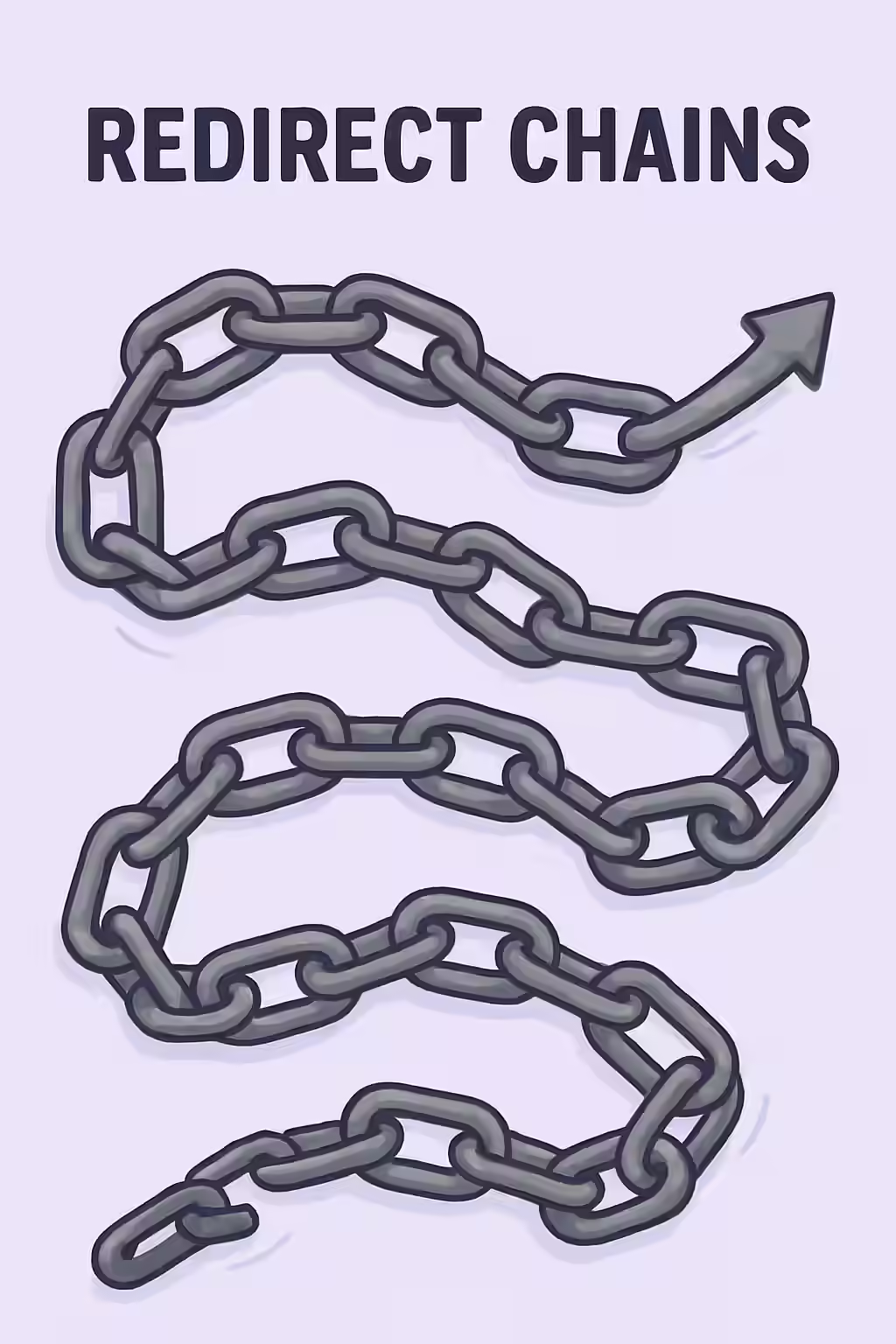
A single redirect is a normal and necessary part of website maintenance. However, when one redirect leads to another, you create an internal redirect chain. This is a critical technical SEO issue where a user or search engine bot is forced to make multiple “hops” to get from the original URL to the final destination (e.g., Page A -> Page B -> Page C). These chains are inefficient and harmful to your site’s performance and SEO.
Think of a redirect chain as a series of unnecessary detours on a road trip. Each detour adds time to the journey and creates a frustrating experience. For search engines, these detours waste their limited crawl budget and can dilute the authority (PageRank) passed to the final page. For a broader look at redirects, see our guide on the 3xx redirection status codes.
The SEO Damage Caused by Redirect Chains
Redirect chains are more than just a minor inconvenience; they actively harm your site’s ability to be crawled and ranked effectively. For a deep dive into this topic, this guide from Ahrefs on redirects is an excellent resource.
- Wasted Crawl Budget: Search engines have a finite amount of resources to crawl your site. Every unnecessary redirect hop consumes a portion of that budget, which could have been used to discover and index your important content.
- PageRank Dilution: While a single 301 redirect passes most of its PageRank, it’s believed that a small amount is lost at each hop. In a long chain, the amount of authority reaching the final page can be significantly reduced.
- Slower Page Load Speed: Each redirect requires an additional round-trip request between the browser and the server, which adds latency and slows down the page loading experience for users.
A Step-by-Step Guide to Straightening the Path
The goal is to eliminate the middleman. Every link and every redirect should point directly to the final, canonical version of a URL. For Google’s perspective on this, their guide on redirects and Google Search is a must-read.
Example: Consolidating a Redirect Chain in `.htaccess`
# Before: A multi-step redirect chain Redirect 301 /old-page-1 /old-page-2 Redirect 301 /old-page-2 /new-page # After: A single, direct redirect Redirect 301 /old-page-1 /new-page Redirect 301 /old-page-2 /new-pageBy fixing redirect chains, you create a more efficient and powerful site structure, which is a key part of a successful on-page SEO strategy.
Frequently Asked Questions
How many redirects are too many in a chain?
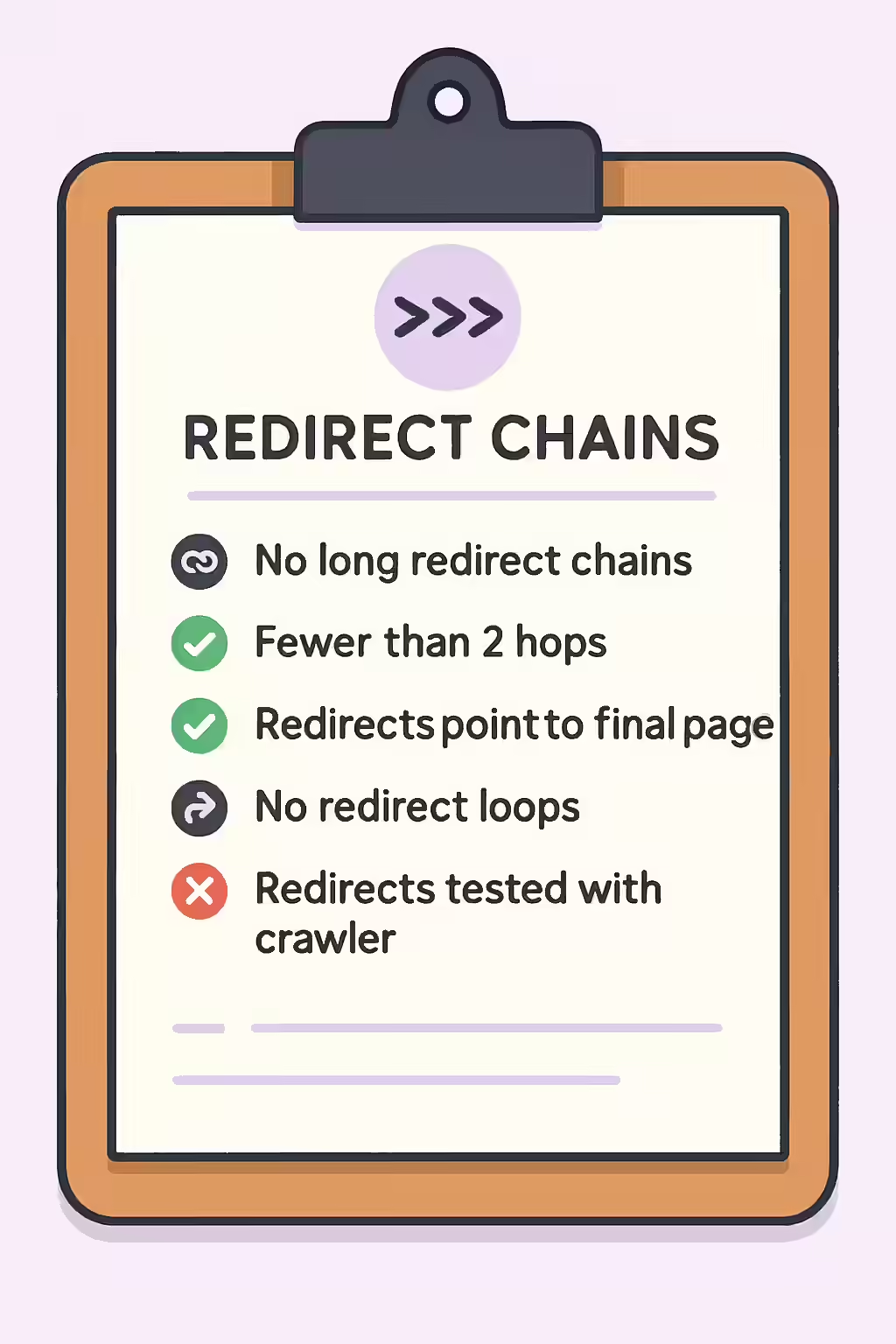
Ideally, there should be zero internal redirect chains. Every internal link should point directly to the final 200 OK destination. While Googlebot may follow up to 5 redirects in a chain, each ‘hop’ wastes crawl budget and can dilute PageRank. Anything more than one redirect is a problem that should be fixed.
Do JavaScript redirects contribute to redirect chains?
Yes. If a server-side redirect (like a 301) points to a page that then uses a JavaScript `window.location` redirect, this is still considered a hop in a chain. JavaScript redirects are also a less reliable signal for search engines, so they should be avoided for permanent moves.
What is the difference between a redirect chain and a redirect loop?
A redirect chain is a series of redirects that eventually leads to a final destination (e.g., A -> B -> C). A redirect loop is a chain that never ends because it redirects back to a URL already in the chain (e.g., A -> B -> A). Loops are a more critical error as they will always fail for both users and search engines.
Are you sending users on a long detour? Start your Creeper audit today to find and fix all internal redirect chains.