In the modern web, a significant portion of a page’s content can be loaded or modified by client-side JavaScript. While this creates dynamic and interactive experiences for users, it can present a challenge for search engines. If your most important content is only visible after JavaScript has been executed, it may be delayed in being indexed, or in some cases, missed entirely. This is a critical issue in the world of JavaScript SEO.
Think of your website as a library. A page with client-side rendered content is like a book with invisible ink. The librarian (the search engine) needs to hold it up to a special light (the rendering process) to read it. By making your content visible from the start, you can create a more successful and user-friendly experience for everyone. For a deeper dive into the world of JavaScript SEO, see this guide from Moz.
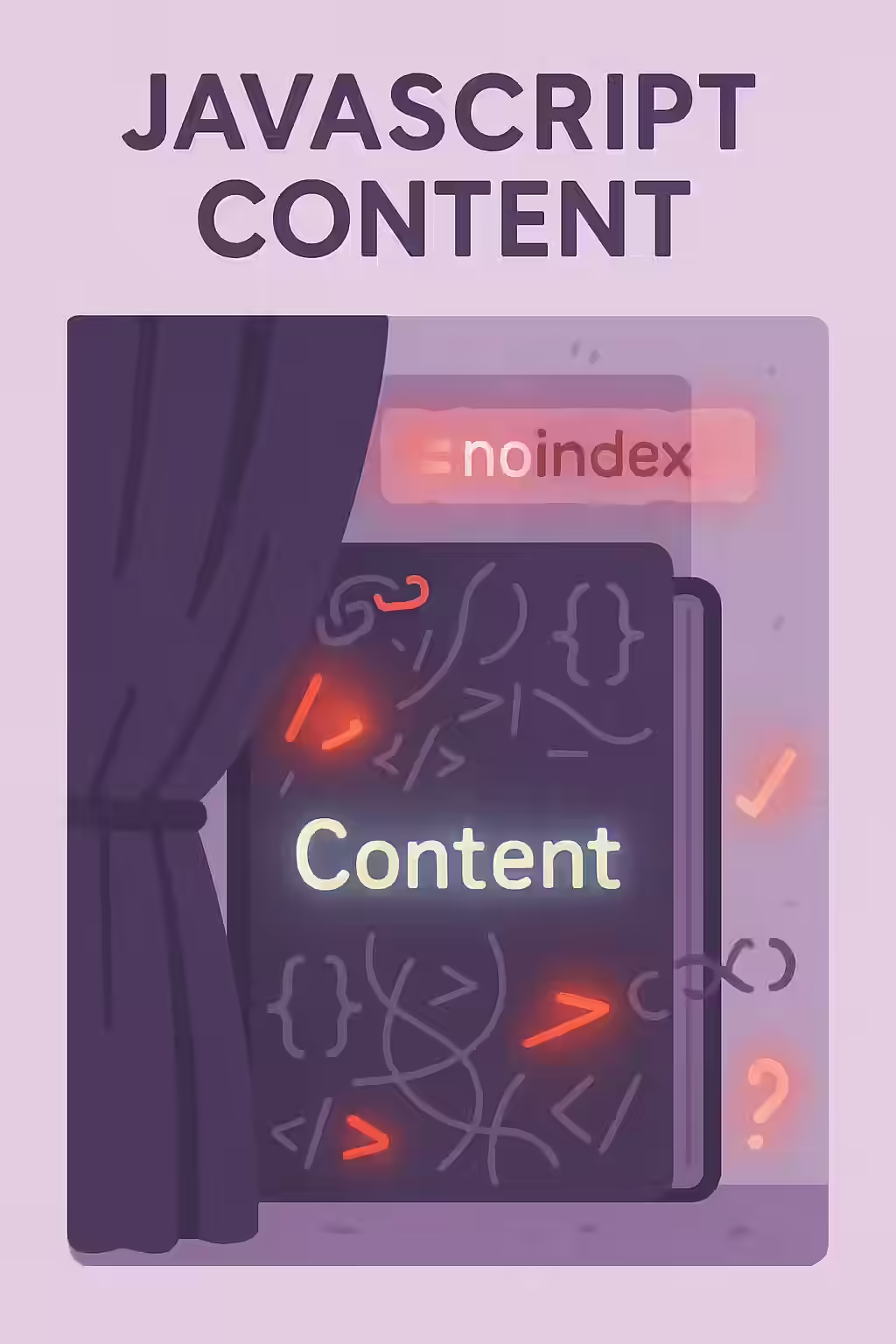
Google’s Two-Wave Indexing Process
To understand why JavaScript content can be a problem, it’s important to understand Google’s two-wave indexing process:
- Wave 1: Crawling. Googlebot fetches the initial HTML source code of your page. The content found here is indexed quickly.
- Wave 2: Rendering. At a later time (which could be hours, days, or even weeks), the page is loaded in a headless browser, the JavaScript is executed, and the final, rendered content is indexed.
The risks are clear: there can be a significant delay in your content being indexed, and if there are any errors in your script, the rendering may fail, and your content will never be seen by Google.
How to Make Your Content Visible
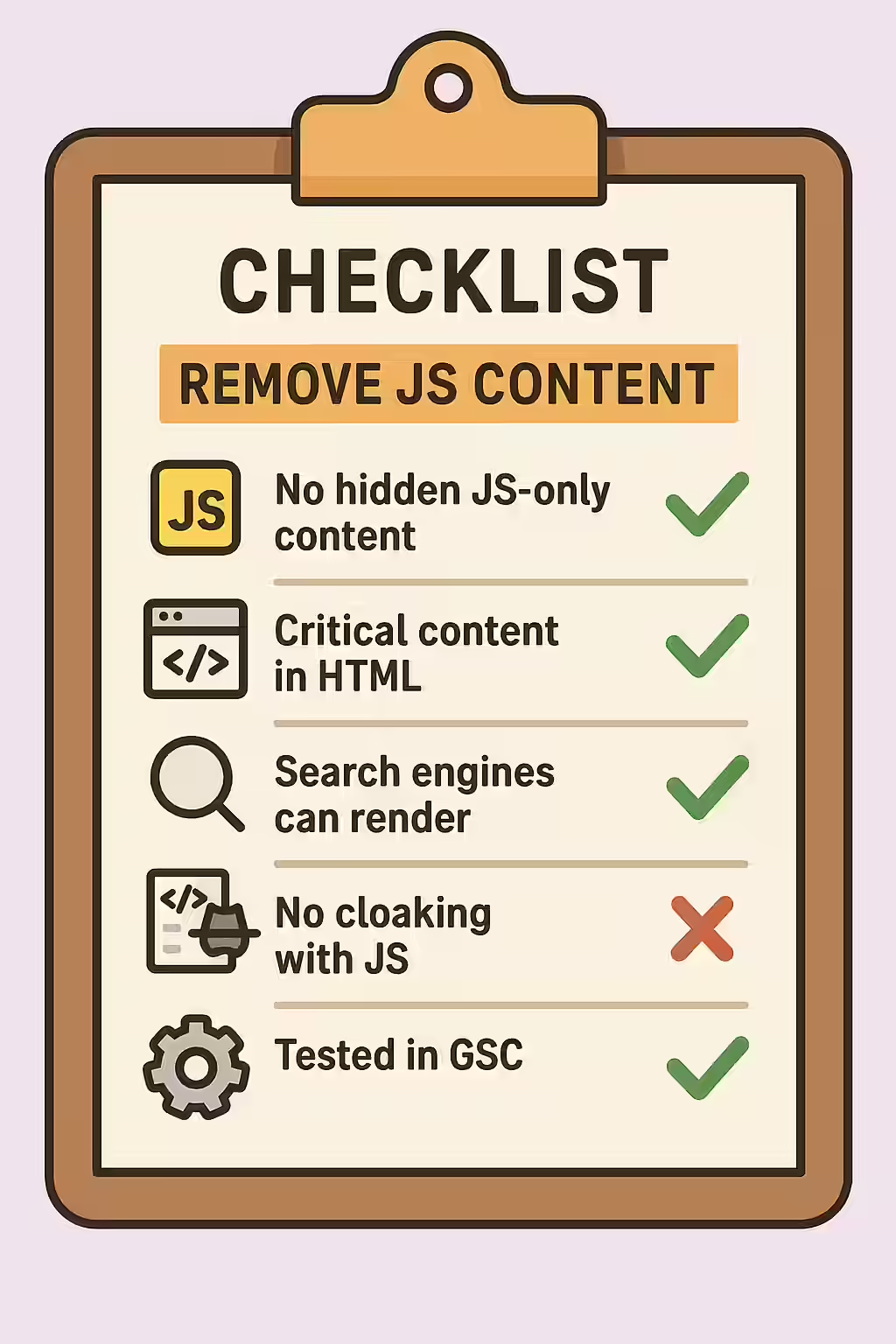
The goal is to ensure that your most important content is present in the initial HTML source code. For Google’s official guidance, see their documentation on JavaScript SEO.
- Server-Side Rendering (SSR): This is the best solution. The server renders the full page, including the JavaScript-powered content, and sends a complete HTML file to the browser. This ensures that both users and search engines see the same content immediately.
- Dynamic Rendering: This is a good alternative where the server detects if the visitor is a search engine bot. If it is, it sends a fully rendered, static HTML version of the page. If it’s a human user, it sends the client-side version.
- Hybrid Rendering: This is a mix of both, where the initial view is server-rendered, and subsequent interactions are handled on the client side.
Frequently Asked Questions
What is JavaScript content?
JavaScript content is any content on a webpage that is loaded or modified by a script after the initial HTML has been loaded. This is common in modern web applications built with frameworks like React, Angular, or Vue.js.
How can I test if Google can see my JavaScript content?
The best way to test is to use the URL Inspection Tool in Google Search Console. The ‘View Crawled Page’ feature will show you the rendered HTML that Googlebot sees after executing your JavaScript. You can compare this to the initial source code to see if your content is being rendered correctly.
Why is JavaScript content an SEO issue?
JavaScript content can be an SEO issue because it requires a second wave of processing by search engines. This can lead to delays in indexing, and if there are any errors in the script, the content may never be seen by the search engine at all, harming your site’s indexability.
Ready to unhide your content? Start your Creeper audit today and see how you can improve your website’s JavaScript SEO.