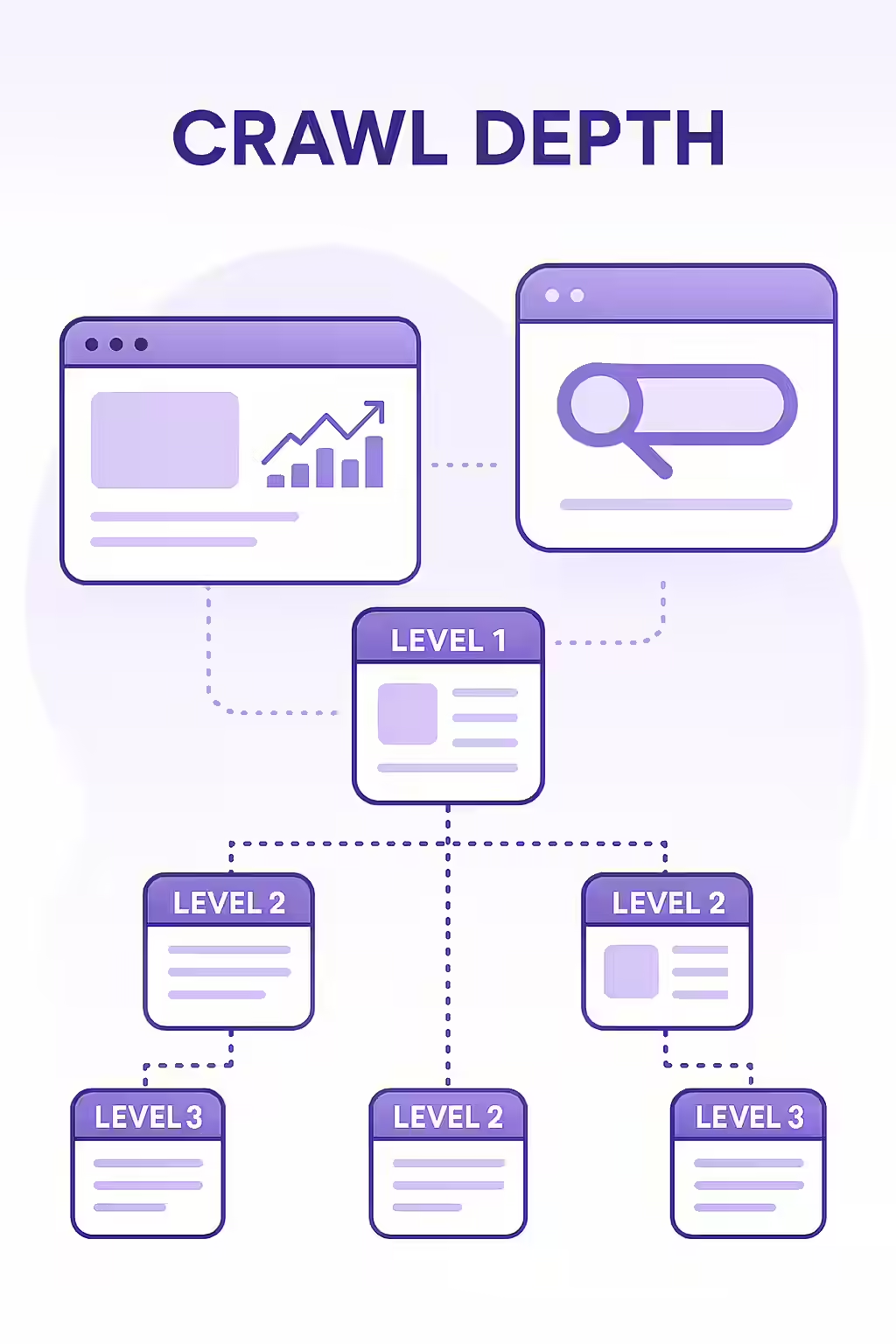
In the world of SEO, crawl depth refers to the number of clicks it takes to get from the homepage to a specific page on your website. It’s a crucial factor for crawlability and indexability, as pages that are buried deep within your site’s structure are less likely to be discovered and indexed by search engines. Understanding and optimizing your site’s crawl depth is a fundamental aspect of technical SEO.
Think of your website as a multi-story building. The homepage is the ground floor, and every click to another page is like taking a flight of stairs. The higher you go, the harder it is for search engine crawlers to reach. By keeping your most important pages on the lower floors, you can ensure that they’re easily accessible to both users and search engines. For a deeper dive into how search engines explore your site, see our article on site structure. You can also learn about orphan URLs and browse the full list of Crawl category pages.
Your Guide to a More Crawlable Site
Optimizing your site’s crawl depth is all about creating a logical and efficient internal linking structure. Here are some tips to help you make your site more crawlable:
- Create a Flat Site Architecture: A flat site architecture is one where every page is just a few clicks away from the homepage. This is the ideal structure for most websites.
- Use a Clear and Consistent Navigation: Your main navigation is the primary way that users and search engines will explore your site. Make sure that it’s clear, consistent, and easy to use.
- Link to Your Most Important Pages: Make sure that your most important pages are linked to from your homepage and other high-level pages. This will help to ensure that they’re easily discoverable.
- Use Breadcrumbs: Breadcrumbs are a great way to show users where they are on your site and to provide a clear path back to the homepage.
The SEO Power of a Shallow Crawl Depth
A shallow crawl depth can have a major impact on your SEO. By making your site more crawlable, you can ensure that all of your important pages are being indexed by search engines. This can lead to improved rankings, more organic traffic, and a better user experience. For more on the importance of a well-structured site, check out this guide to site architecture from Backlinko.
Don’t let your most valuable content get lost in the depths of your website. By taking a strategic approach to your internal linking, you can create a more crawlable and successful website. For more on how to manage a large and complex site, see our article on sitemaps. For another great resource on how to decrease crawl depth on your site, check out this debate on Google Search Central Help Community.
Frequently Asked Questions
What is a good crawl depth?
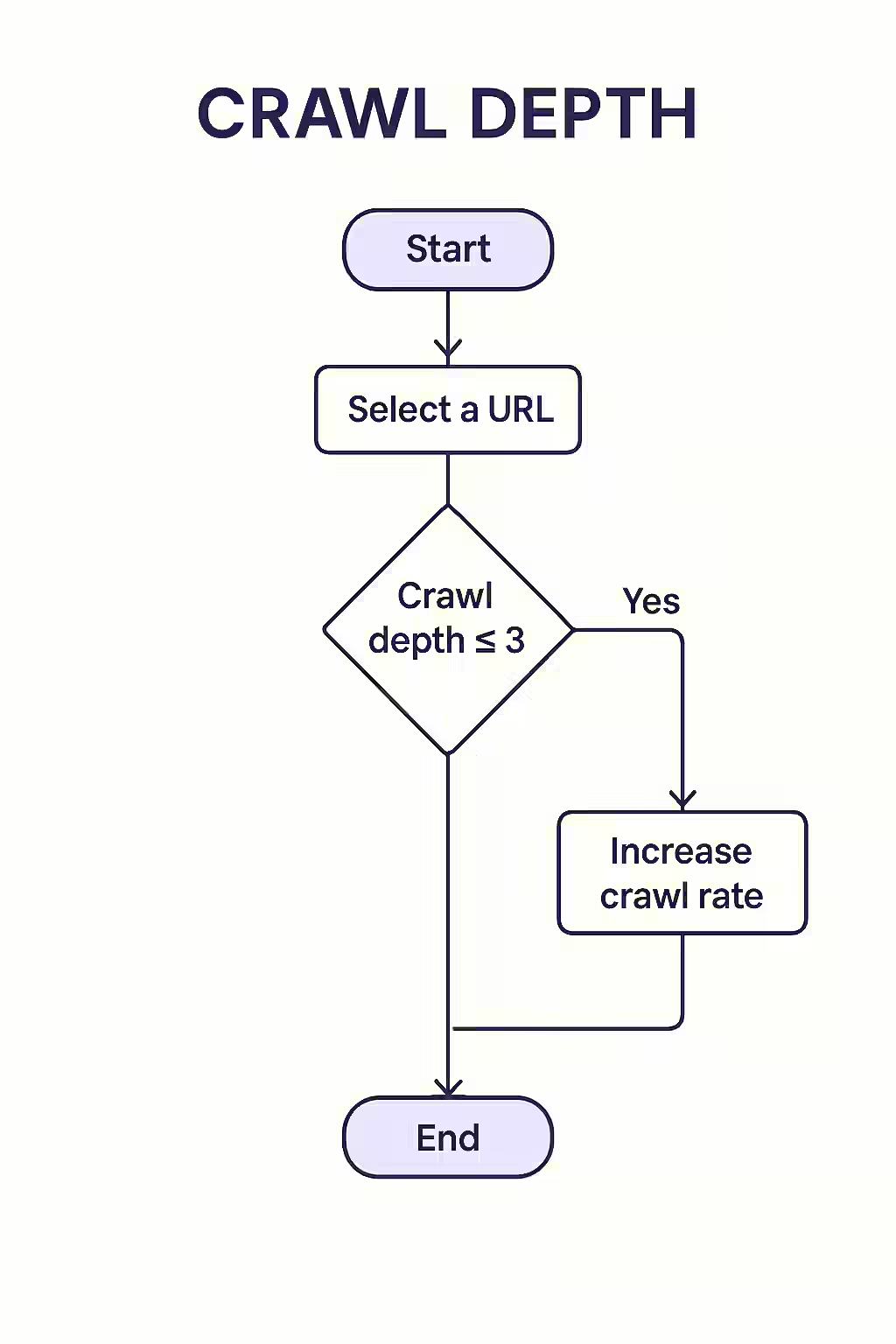
A good crawl depth is as shallow as possible. The fewer clicks it takes to get to a page, the more likely it is to be crawled and indexed by search engines. For most websites, it’s a good idea to keep your most important pages within three clicks of the homepage.
How can I check the crawl depth of my pages?
You can use an SEO audit tool like Creeper to crawl your site and see the crawl depth of every page. This will help you to identify any pages that are buried too deep in your site’s structure.
How do I improve my site’s crawl depth?
You can improve your site’s crawl depth by creating a logical and intuitive internal linking structure. Make sure that your most important pages are linked to from your homepage and other high-level pages.
Is your best content buried too deep? Use Creeper to analyze your crawl depth and bring your most important pages to the surface.