Every website you’ve ever visited is built on a foundation of external HTML. It’s the standard markup language for creating web pages, and it’s the backbone of the entire internet. Understanding the fundamentals of HTML is essential for anyone who wants to create a successful website, and it’s a crucial aspect of technical SEO. This guide will explore the power of well-structured HTML and why it’s so important for your website’s performance.
Think of your website as a house. The HTML is the frame, the walls, and the roof. It’s the essential structure that gives your house its shape and form. Without a solid foundation of well-structured HTML, your website will be unstable and difficult for both users and search engines to navigate. For a deeper dive into the structure of your site, see our article on site structure. You can also learn about internal HTML and browse the full list of External Pages category pages.
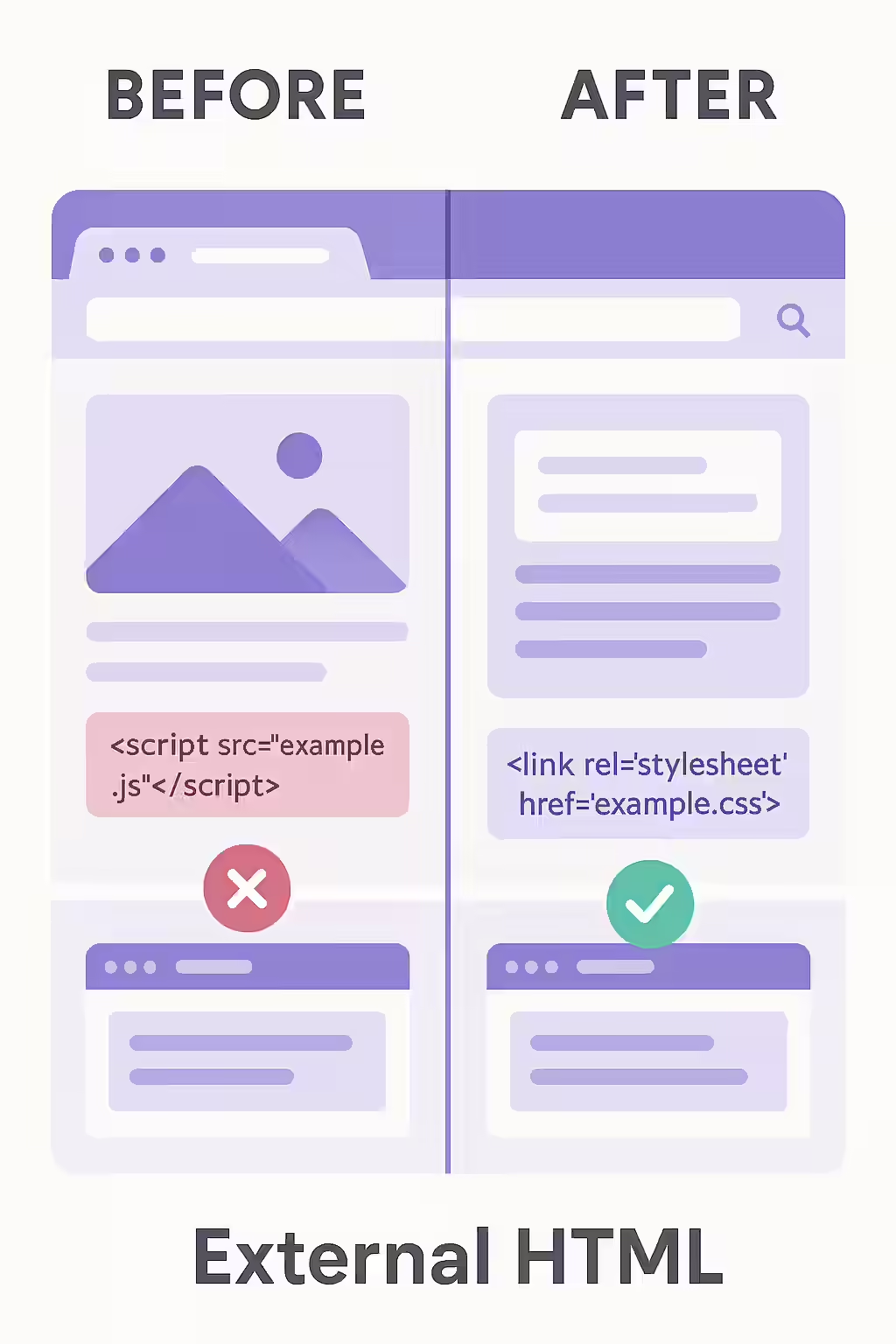
Your Guide to a Well-Structured Website
Creating well-structured HTML is all about using the right tags for the right job. Here are some of the most important HTML tags for SEO:
- <title>: The title tag is one of the most important on-page SEO factors. It tells search engines what your page is about, and it’s the first thing that users see in the search results.
- <meta name=”description”>: The meta description is a short summary of your page’s content. It’s not a direct ranking factor, but it can influence click-through rates from the search results.
- <h1> – <h6>: Headings are used to structure your content and make it easier to read. The <h1> tag is the most important heading, and it should be used for the main title of your page.
- <a>: The anchor tag is used to create links to other pages. A well-structured internal linking strategy is crucial for SEO.
The SEO Power of Clean HTML
Clean, well-structured HTML is a major win for SEO. It makes it easier for search engines to crawl and understand your content, which can lead to better indexing and improved rankings. It also creates a better experience for your users, which can lead to increased engagement and more conversions. For more on the importance of a positive user experience, check out this guide to page experience from Google.
Don’t let messy HTML hold your website back. By taking the time to create a well-structured and standards-compliant website, you can build a stronger, more successful online presence. For more on how to create a winning on-page strategy, see our article on on-page SEO. For a comprehensive guide to HTML, check out the MDN Web Docs.
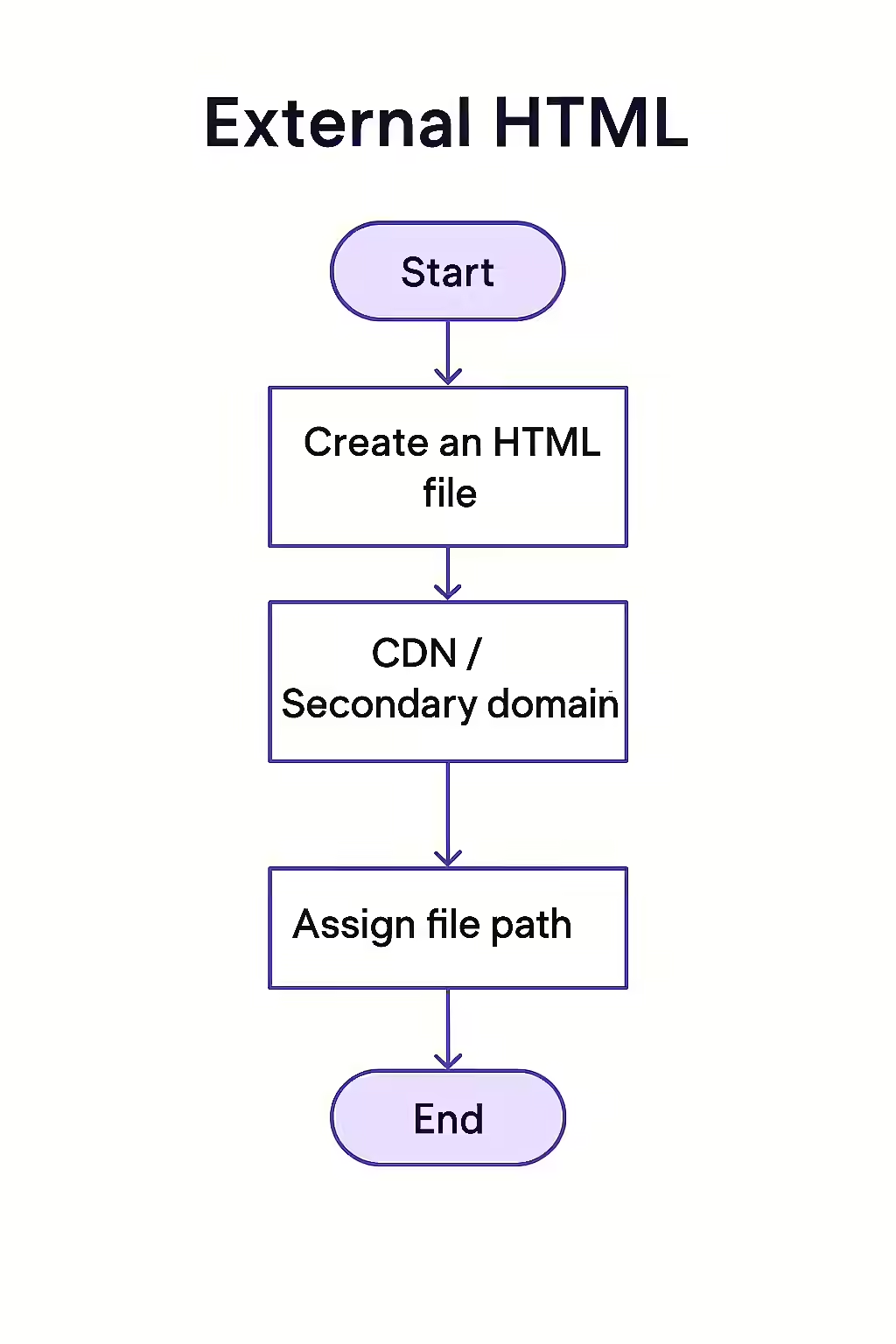
Frequently Asked Questions
What is the difference between HTML and CSS?
HTML (Hypertext Markup Language) is used to create the structure and content of a webpage. CSS (Cascading Style Sheets) is used to style the appearance of the HTML. In other words, HTML is the blueprint, and CSS is the interior design.
Why is well-structured HTML important for SEO?
Well-structured HTML is important for SEO because it makes it easier for search engines to crawl and understand your content. This can lead to better indexing, improved rankings, and a more positive user experience.
How can I check the quality of my HTML?
You can use the W3C Markup Validation Service to check your HTML for errors and ensure that it conforms to web standards. You can also use an SEO audit tool like Creeper to identify a wide range of technical issues with your HTML.
Is your website built on a solid foundation? Start your Creeper audit today and make sure your HTML is up to code.