Web forms are the gateway to your website. They’re how you collect leads, register new users, and interact with your audience. But with great power comes great responsibility. If your forms are not secure, they can be a major vulnerability for your website, opening you up to spam, malicious attacks, and data breaches. This guide will explore the most common form security issues and how to protect your website from them.
Think of your web forms as the front door to your house. You wouldn’t leave your front door unlocked, and you shouldn’t leave your web forms unprotected. By implementing strong form security measures, you can protect your website, your users, and your reputation. For a deeper dive into website security, see our article on security. You can also learn about other security issues and browse the full list of Security category pages.
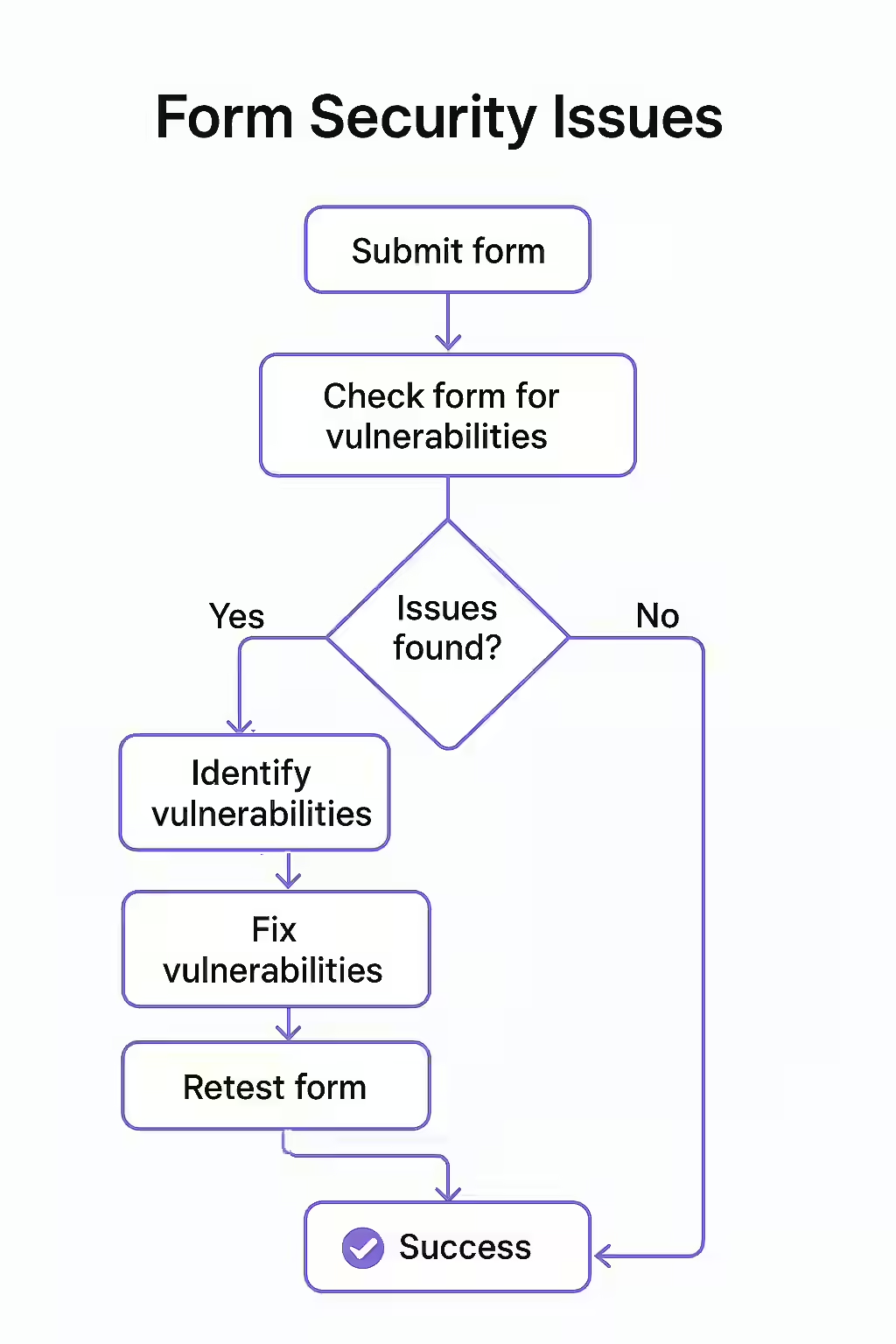
Your Guide to a More Secure and Trustworthy Website
Here are some of the most common form security issues and how to fix them:
- Spam: Spambots are automated programs that can fill out your forms with junk data. This can be a major annoyance and can also skew your analytics. To prevent spam, you can use a CAPTCHA, a honeypot field, or a time-based form submission.
- Cross-Site Scripting (XSS): XSS is a type of attack where a malicious user injects code into your website. This code can then be executed by other users, allowing the attacker to steal data or take control of their accounts. To prevent XSS, you should always validate and sanitize all user input.
- Cross-Site Request Forgery (CSRF): CSRF is a type of attack where a malicious user tricks a user into performing an unwanted action on your website. For example, an attacker could trick a user into changing their password or making a purchase. To prevent CSRF, you should use anti-CSRF tokens.
- SQL Injection: SQL injection is a type of attack where a malicious user injects SQL code into your website. This can allow the attacker to access or modify your database. To prevent SQL injection, you should use prepared statements and parameterized queries.
The SEO Power of a Secure Website
A secure website is a trustworthy website in the eyes of both users and search engines. By protecting your website from spam and malicious attacks, you can improve your user experience and build a stronger reputation. This can lead to increased engagement, more conversions, and better SEO rankings. For more on the importance of website security, check out this guide to the OWASP Top Ten.
Don’t let form security issues be the downfall of your website. By taking a proactive approach to protecting your web forms, you can build a more secure and successful online presence. For more on how to create a winning on-page strategy, see our article on on-page SEO. For more information on website security, check out this resource from Google.
Frequently Asked Questions
What is the most common form security issue?
Spam is one of the most common form security issues. Spambots can automatically fill out your forms with junk data, which can be a major annoyance and can also skew your analytics.
How can I prevent form spam?
There are several ways to prevent form spam, such as using a CAPTCHA, a honeypot field, or a time-based form submission. You can also use a third-party spam filtering service.
What are some other common form security issues?
Other common form security issues include cross-site scripting (XSS), cross-site request forgery (CSRF), and SQL injection. These are more serious security vulnerabilities that can be exploited by attackers to steal data or take control of your website.
Is your website’s front door unlocked? Start your Creeper audit today and make sure your forms are secure.