HTTPS (Hypertext Transfer Protocol Secure) is the encrypted version of the standard HTTP protocol used to transfer data between a user’s browser and a website’s server. It is no longer an optional upgrade but a fundamental requirement for any modern website. It provides a critical layer of security and trust that both users and search engines have come to expect. Without HTTPS, your site is flagged as “Not Secure,” your data is vulnerable, and your SEO potential is capped.
This security is powered by an SSL/TLS certificate, which enables an encrypted connection. Think of it as a digital passport that verifies your server’s identity and scrambles the data so it can’t be read by anyone else. For a deeper dive into web security, see our guide on the security category.
The Three Pillars of HTTPS: Encryption, Integrity, and Authentication
HTTPS provides three essential layers of protection, as detailed by resources like Cloudflare:
- Encryption: Secures the data exchanged between the client and server, protecting it from being eavesdropped on by third parties.
- Integrity: Ensures that data cannot be modified or corrupted during transfer without being detected.
- Authentication: Verifies that users are communicating with the intended website.
Auditing Your HTTPS Implementation for SEO
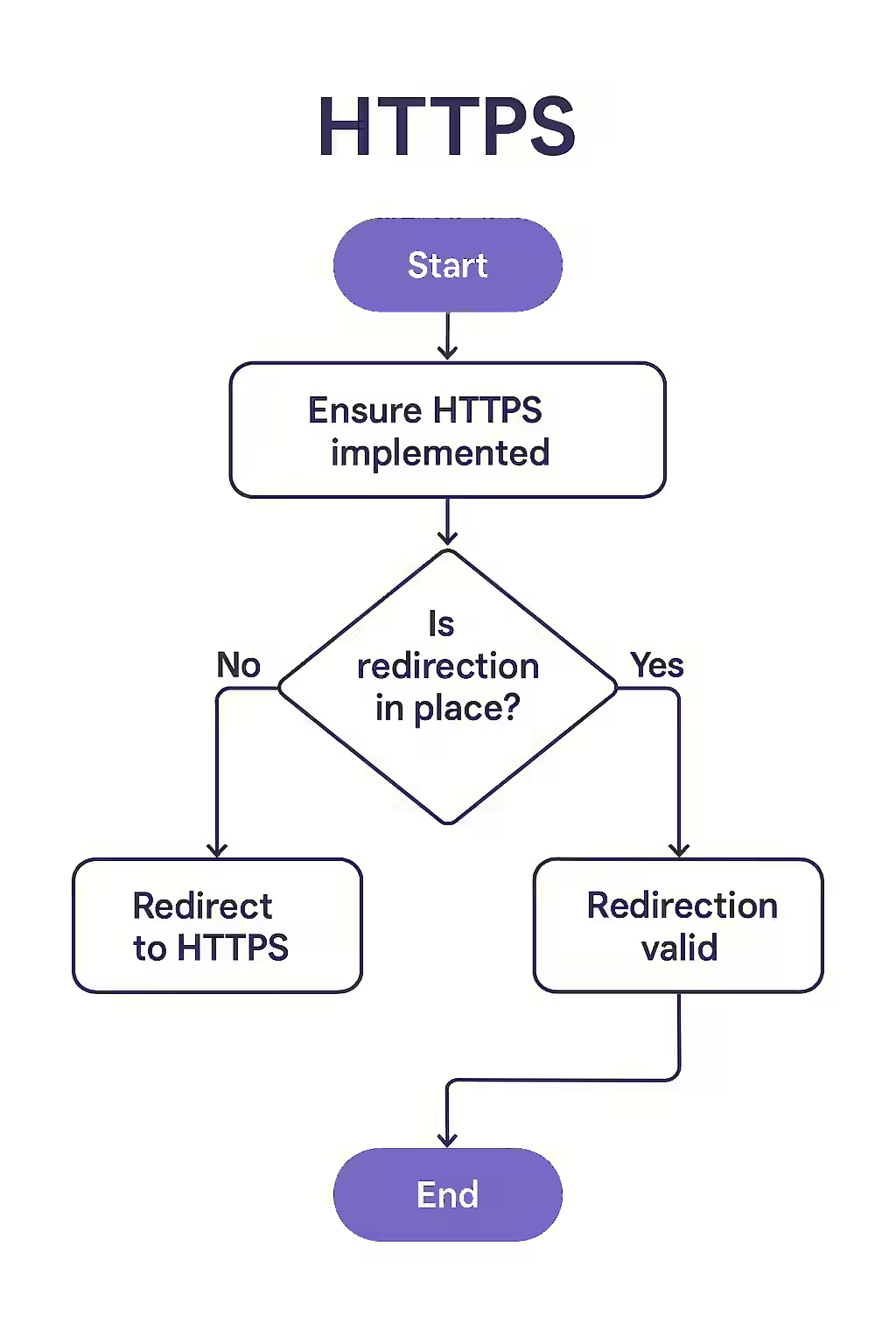
Simply having an SSL certificate is not enough; a proper implementation is key to reaping the SEO benefits. As Google announced years ago, HTTPS is a ranking signal, and a poor setup can cause more harm than good. For another great resource, check out this guide to HTTPS from Moz.
Example: A 301 Redirect for HTTPS in `.htaccess`
RewriteEngine On RewriteCond %{HTTPS} off RewriteRule (.*) https://%{HTTP_HOST}%{REQUEST_URI} [R=301,L]This code snippet, when added to your `.htaccess` file, will ensure that all traffic to your site is automatically redirected to the secure HTTPS version.
Frequently Asked Questions
What are the different types of SSL certificates?
The main types are Domain Validated (DV), which is the most common and easiest to get; Organization Validated (OV); and Extended Validation (EV). While OV and EV require more business verification and may display the company name in the certificate details, the level of encryption for all modern certificates is the same.
Are self-signed certificates okay for SEO?
No. Self-signed certificates are not trusted by browsers and will generate a major security warning for users. They are not a valid option for a public website and will prevent your site from being properly indexed. You must use a certificate issued by a trusted Certificate Authority (CA).
My site is HTTPS, but I don’t see a green padlock. Why?
Most modern browsers, including Chrome, no longer use a green padlock. A simple grey lock icon is the standard indicator for a secure HTTPS connection. If you see a warning icon or a broken padlock, it’s likely due to mixed content issues on the page.
Is your site fully secure? Start your Creeper audit today to find and fix any issues in your HTTPS implementation.