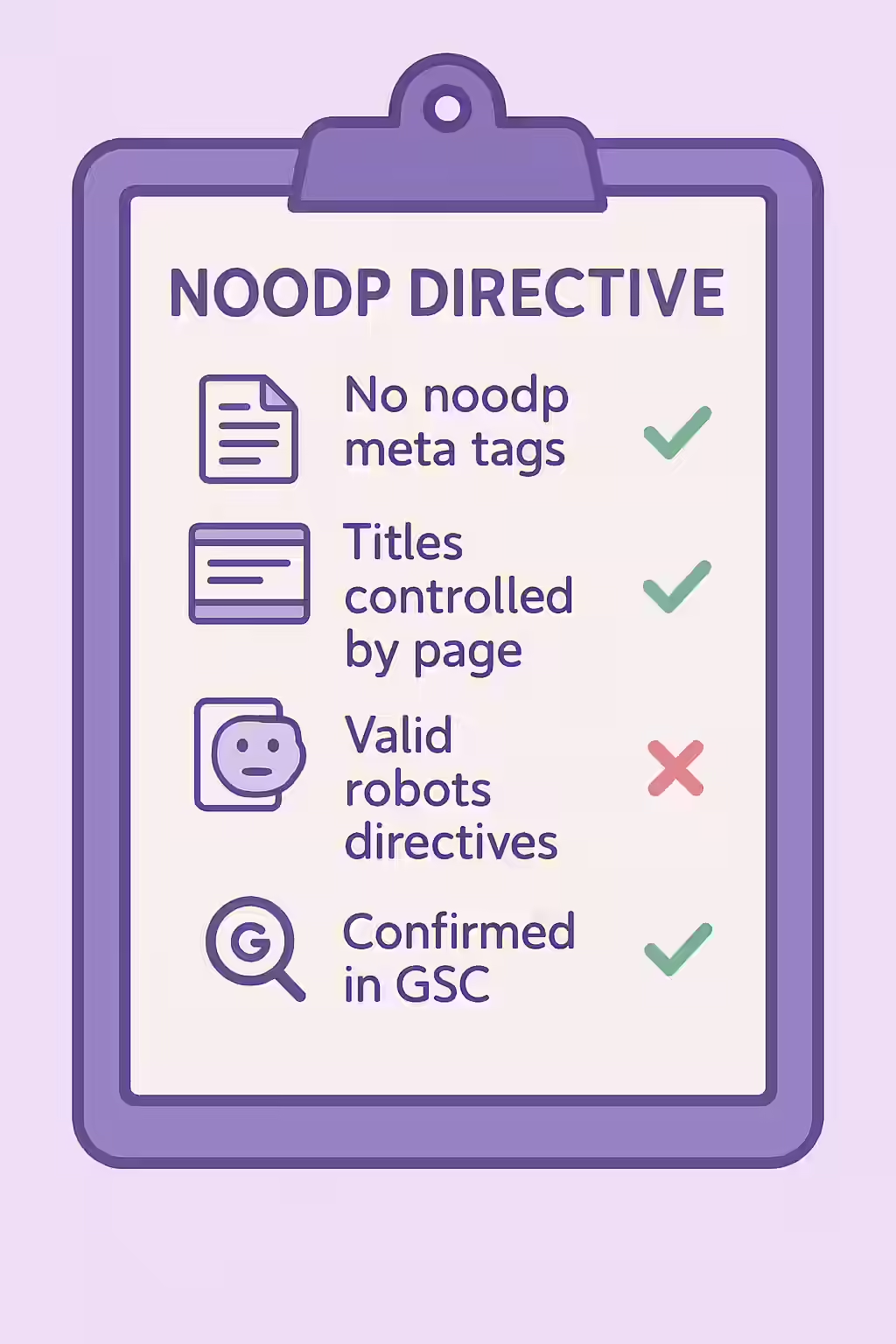
The `noodp` directive is a meta robots tag that was once used to tell search engines not to use the title and description from the Open Directory Project (ODP), also known as DMOZ, for a page’s search snippet. However, the ODP was officially closed in 2017, and as a result, the `noodp` directive is now completely obsolete. While its presence does not harm your SEO, it is unnecessary code that can be safely removed from your website.
Think of it as leaving up a sign for a business that closed years ago. It doesn’t hurt anyone, but it’s outdated information that clutters up the landscape. Removing these obsolete tags is a simple act of good housekeeping that keeps your site’s code clean and current. For a broader look at directives, see our main guide on the directives category.

The History of ‘noodp’ and Why It’s No Longer Needed
In the early days of the web, search engines like Google would sometimes use the human-edited listings from the Open Directory Project as the title and description for a site in the search results. As explained in this historical overview from Moz, site owners who preferred their own meta descriptions would use the `noodp` tag to opt out.
<meta name="robots" content="noodp" />Since the ODP no longer exists, search engines no longer use it as a source for snippets, and the `noodp` tag has had no function for many years.
A Step-by-Step Guide to Cleaning Up Obsolete Tags
The goal is to remove this unnecessary directive from your site’s templates. For Google’s current list of supported meta tags, you can refer to their official documentation.
- Crawl Your Site for ‘noodp’ Tags: Use an SEO audit tool like Creeper to perform a full crawl. The tool can be configured to find all pages that contain the `noodp` directive in their meta robots tags.
- Identify the Source: This tag is almost always located in the main header template of a CMS or theme, often on older websites.
- Remove the Directive: Edit your template file and simply remove the `noodp` value from the `content` attribute of your meta robots tag. If it’s the only value, you can remove the entire tag.
The SEO Power of a Well-Structured Website
A well-structured website is a more successful website. By periodically cleaning up obsolete code and directives, you ensure that your site is efficient and easy for search engines to crawl and understand. This is a key part of a successful on-page SEO strategy.
Frequently Asked Questions
What was the Open Directory Project (ODP)?
The Open Directory Project, also known as DMOZ, was a human-edited directory of the web that was influential in the early days of search engines. Search engines would sometimes use the DMOZ description for a site’s search snippet. The project was officially closed in 2017.
Is there any harm in leaving the ‘noodp’ tag on my site?
While it will not directly harm your SEO, it is unnecessary code bloat. Removing obsolete tags like `noodp` is a good housekeeping practice that helps to keep your HTML clean and efficient. It also prevents confusion for other developers or SEOs who may work on the site in the future.
How can I find and remove all the ‘noodp’ tags on my site?
The most effective way is to use a website crawler like Creeper. It will scan every page on your site and can be configured to specifically report on pages that contain the `noodp` directive in a meta tag, allowing you to remove it from your templates.
Ready to clean up your site’s code? Start your Creeper audit today and find and remove obsolete directives.