Structured data is a powerful tool for helping search engines to understand your content. But it’s not enough to just have structured data on your website. You need to make sure that it’s valid. This guide will explore the importance of structured data validation and how to do it.
Think of your website as a library. You want to make sure that all the books are on the shelves and that they’re easy to find. The same is true for your website. By validating your structured data, you can make sure that it’s being used correctly by search engines. For a deeper dive into the world of structured data, see our article on structured data.
The SEO Impact of Structured Data Validation
Structured data validation can have a significant positive impact on your SEO. Here’s why:
- Rich Snippets: By validating your structured data, you can make your pages eligible for rich snippets in the search results. Rich snippets are enhanced search results that can include images, ratings, and other information that can help your pages to stand out from the competition.
- Knowledge Graph: Structured data can also help your pages to be included in the Knowledge Graph, which is the box that appears at the top of the search results for some queries.
Your Guide to a More Successful and User-Friendly Website
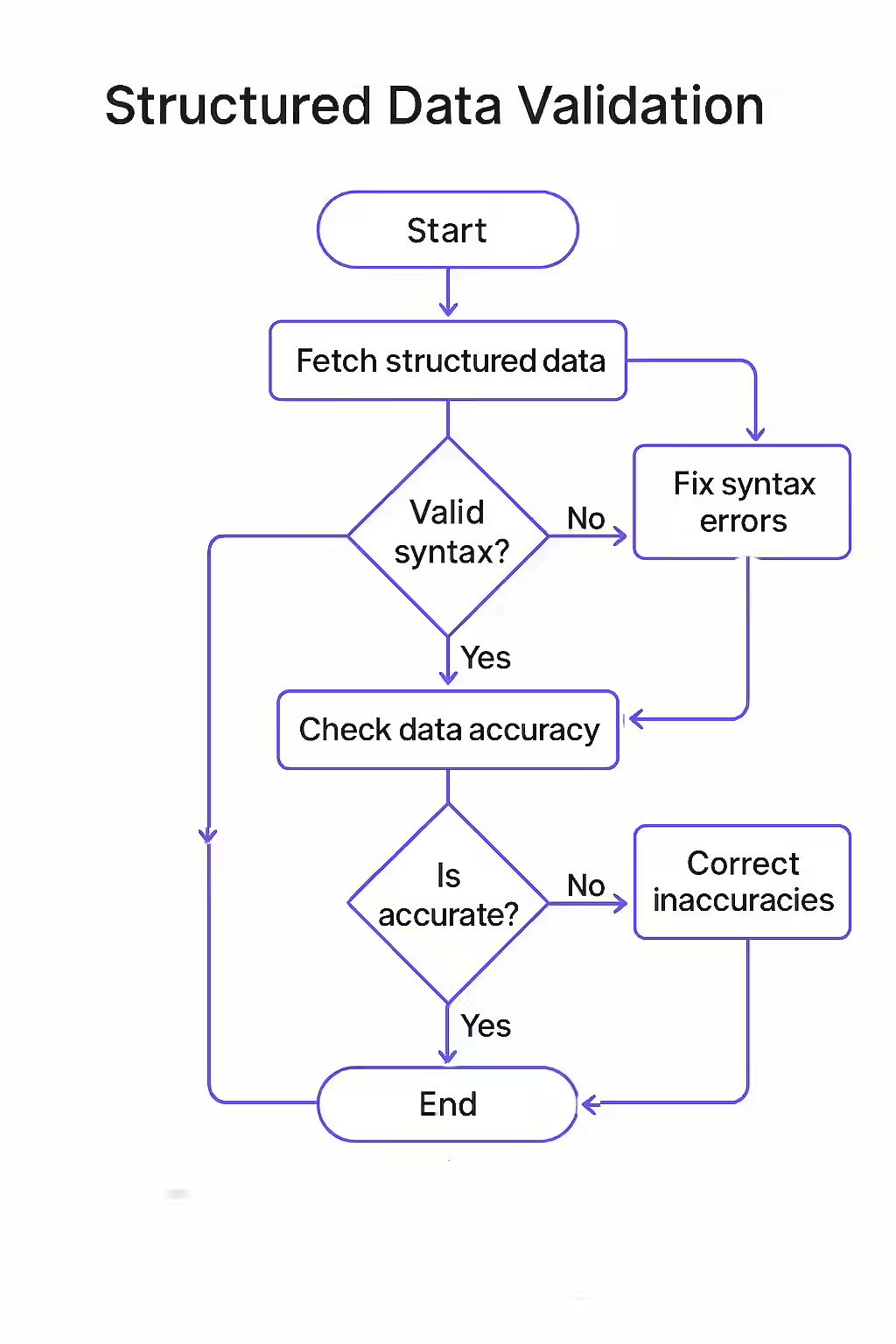
Validating your structured data is a simple but important task. Here’s how to do it:
Example: Validating Your Structured Data
The best way to validate your structured data is to use a tool like the Rich Results Test or the Schema Markup Validator. These tools will help you to identify any errors in your structured data and to make sure that it is valid.
For more on this topic, see our guide on on-page SEO.
Frequently Asked Questions
What is structured data validation?
Structured data validation is the process of checking your structured data to make sure that it is free of errors. This is an important step, as it can help to ensure that your structured data is being used correctly by search engines.
What is the difference between errors and warnings?
An error is a critical issue that will prevent your structured data from being used. A warning is a suggestion for improvement that will not prevent your structured data from being used, but may limit its effectiveness.
How do I validate my structured data?
There are a variety of different tools that you can use to validate your structured data. Some of the most popular tools include the Rich Results Test and the Schema Markup Validator.
Ready to start speaking the language of search? Start your Creeper audit today and see how you can improve your website’s structured data.