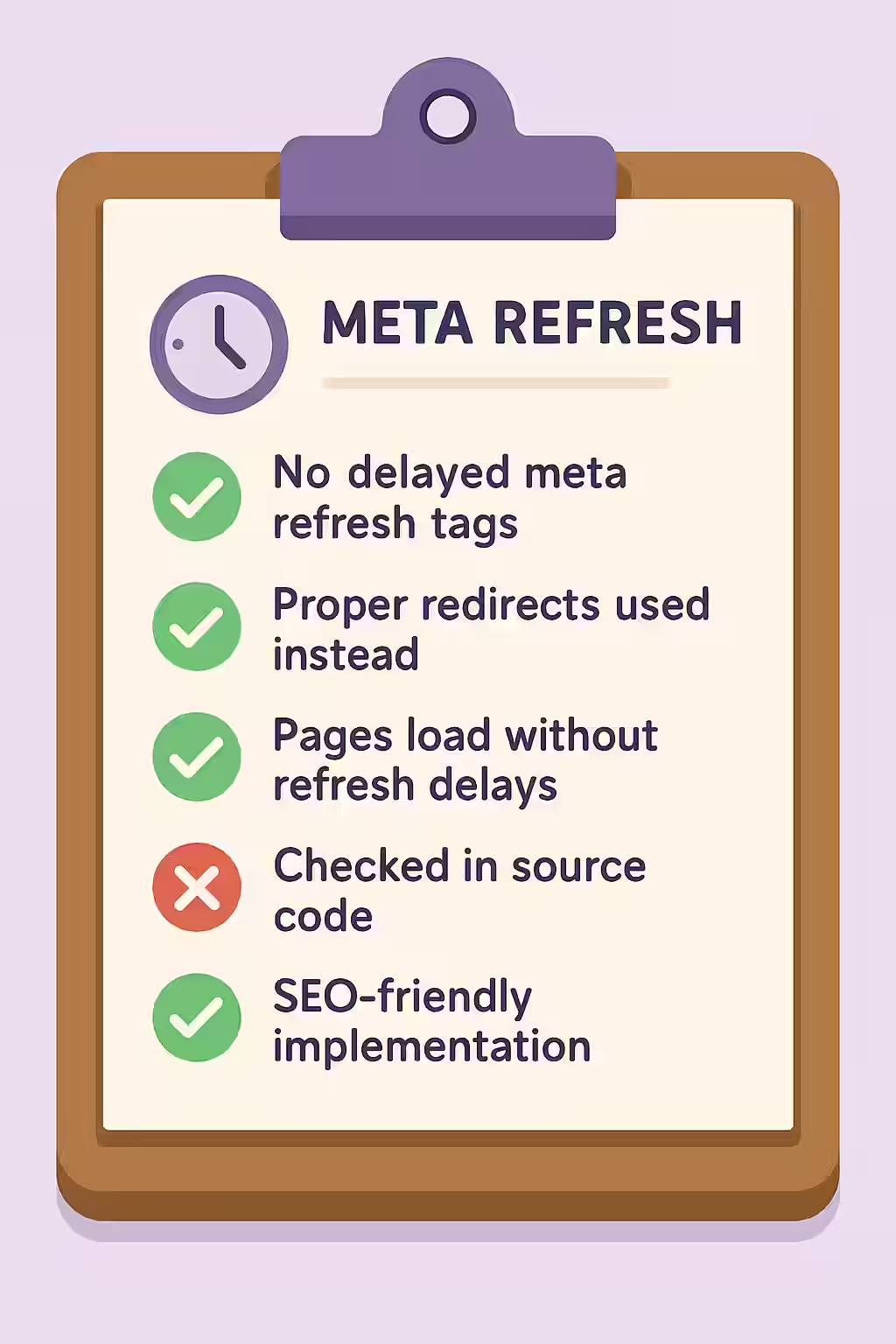
In the world of web accessibility, it’s the little things that make a big difference. And when it comes to redirects, one of the most important little things is to not use delayed meta refreshes. Delayed meta refreshes are a way of automatically redirecting a user to a new page after a certain amount of time. They’re an outdated technology, and they should not be used. This guide will explore the dangers of using delayed meta refreshes and what to use instead.
Think of your website as a modern city. You want to make sure that all the roads are safe and that there are no unexpected detours. The same is true for your website. By avoiding the use of delayed meta refreshes, you can create a more accessible and user-friendly experience for everyone. For a deeper dive into the world of accessibility, see our article on accessibility.

Your Guide to a More Accessible and User-Friendly Website
Fixing the use of delayed meta refreshes is a simple but important task. Here’s how to do it:
- Identify Your Use of Delayed Meta Refreshes: Use an accessibility testing tool like Creeper to crawl your site and identify any instances of delayed meta refreshes.
- Remove the Delayed Meta Refreshes from Your Code: The best way to fix this issue is to simply remove the delayed meta refreshes from your code.
- Use a Server-Side 301 Redirect Instead: You should use a server-side 301 redirect instead of a delayed meta refresh. A server-side 301 redirect is more accessible, and it is supported by all modern browsers.
The SEO Power of an Accessible Website
An accessible website is a more successful website. By making your website more accessible, you can improve your user experience, reach a wider audience, and even improve your SEO. For more on the importance of a well-structured website, check out this guide to the meta element from MDN.
Don’t let your website be a relic of the past. By taking the time to avoid the use of delayed meta refreshes, you can build a more accessible and successful online presence. For more on how to create a winning on-page strategy, see our article on on-page SEO.
Frequently Asked Questions
What are delayed meta refreshes?
Delayed meta refreshes are a way of automatically redirecting a user to a new page after a certain amount of time. They’re an outdated technology, and they should not be used.
Why should I not use delayed meta refreshes?
You should not use delayed meta refreshes because they can be a major accessibility issue. They can also be a frustrating experience for users, as they may not have enough time to read the content on the page before they are redirected.
What should I use instead of delayed meta refreshes?
You should use a server-side 301 redirect instead of a delayed meta refresh. A server-side 301 redirect is more accessible, and it is supported by all modern browsers.
Ready to bring your website into the 21st century? Start your Creeper audit today and see how you can improve your website’s accessibility.