Beyond Your Own Backyard: A Guide to External Links and SEO

In the vast, interconnected ecosystem of the web, your website is just one part of a much larger whole. External links are the bridges that connect your site to the rest of that ecosystem. They come in two forms: **outbound links** (links from your site to others) and **inbound links** (or backlinks, from other sites to yours). A smart external linking strategy is crucial for establishing your site’s authority, providing value to your users, and building a strong reputation with search engines.

Think of the web as a giant city. Your website is your own personal shop. Linking out to other reputable shops shows that you are a helpful, knowledgeable member of the community. Earning links from other well-respected shops is a powerful endorsement of your own quality. For Google’s official guidance, see their documentation on how Google uses links.

Key Topics in External Link Management

A complete external linking strategy involves carefully managing the links you make to other sites. The following guides provide actionable advice for common issues related to your outbound links.

category image

The Foundation of Your Website: A Guide to External HTML

Learn what external HTML is and why it’s the foundation of every website. Discover the benefits of well-structured HTML for both SEO and web development.

Protecting Your Pixels: A Guide to External Images and Hotlinking

Learn what external images and hotlinking are, and why they can be a major drain on your server resources. Discover how to protect your images and prevent hotlinking.

The Blueprint for a Beautiful Website: A Guide to External CSS

Learn what external CSS is and why it’s the preferred method for styling modern websites. Discover the benefits for both SEO and web development.

The Magic of Interactivity: A Guide to External JavaScript

Learn what external JavaScript is and why it’s the preferred method for adding interactivity to modern websites. Discover the benefits for both SEO and web development.

The Paperless Trail: A Guide to Linking to External PDFs

Learn the best practices for linking to external PDFs and how to optimize your own PDFs for search engines.

Building Bridges: A Guide to Linking to External Resources

Learn when and how to link to external resources to provide more value to your users and improve your SEO.

For another excellent resource on this topic, check out this guide to link building from Moz.

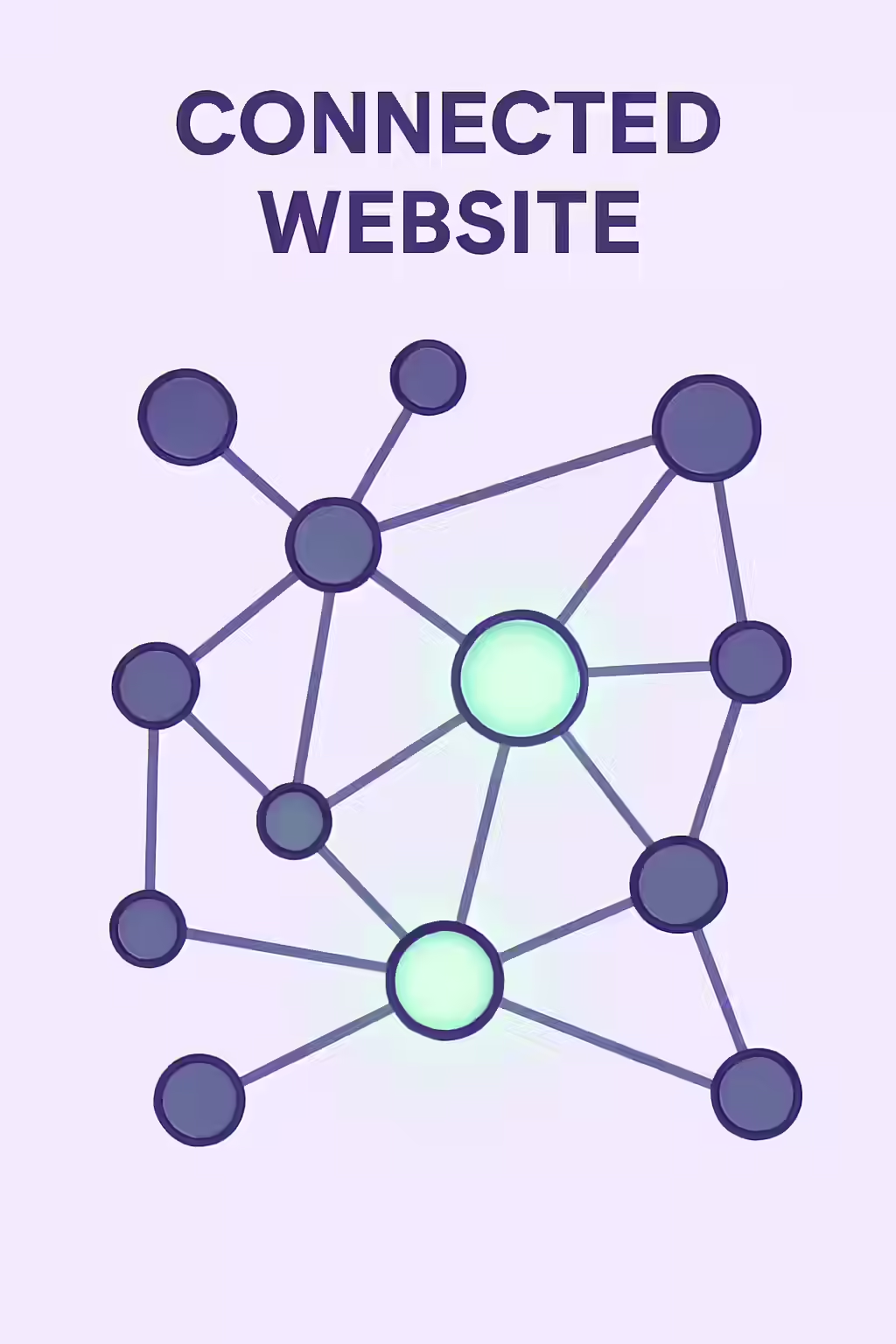
An illustration of a network of interconnected nodes, symbolizing the power of a well-connected website.

Frequently Asked Questions

What is the difference between an outbound link and a backlink?

An outbound link is a link from your website to another website. A backlink (or inbound link) is a link from another website to your website. Both are types of external links.

How can I get other websites to link to me?

Earning high-quality backlinks is a long-term strategy that involves creating exceptional content that other people will want to link to. This can be supplemented with activities like guest blogging, digital PR, and building relationships with other site owners in your industry.

When should I use the 'nofollow' attribute on external links?

You should use the `rel=”nofollow”` attribute on external links that you don’t want to pass your site’s authority to, or that you cannot fully endorse. This is particularly important for user-generated content (like blog comments) and sponsored or paid links, where you should use `rel=”ugc”` and `rel=”sponsored”` respectively.

Ready to tackle all your SEO issues head-on? Start your comprehensive audit with Creeper today.

Get in Touch

Have questions about our services? Contact us today for a free consultation and performance audit.

    By filling out this form, you agree to our Privacy Policy.