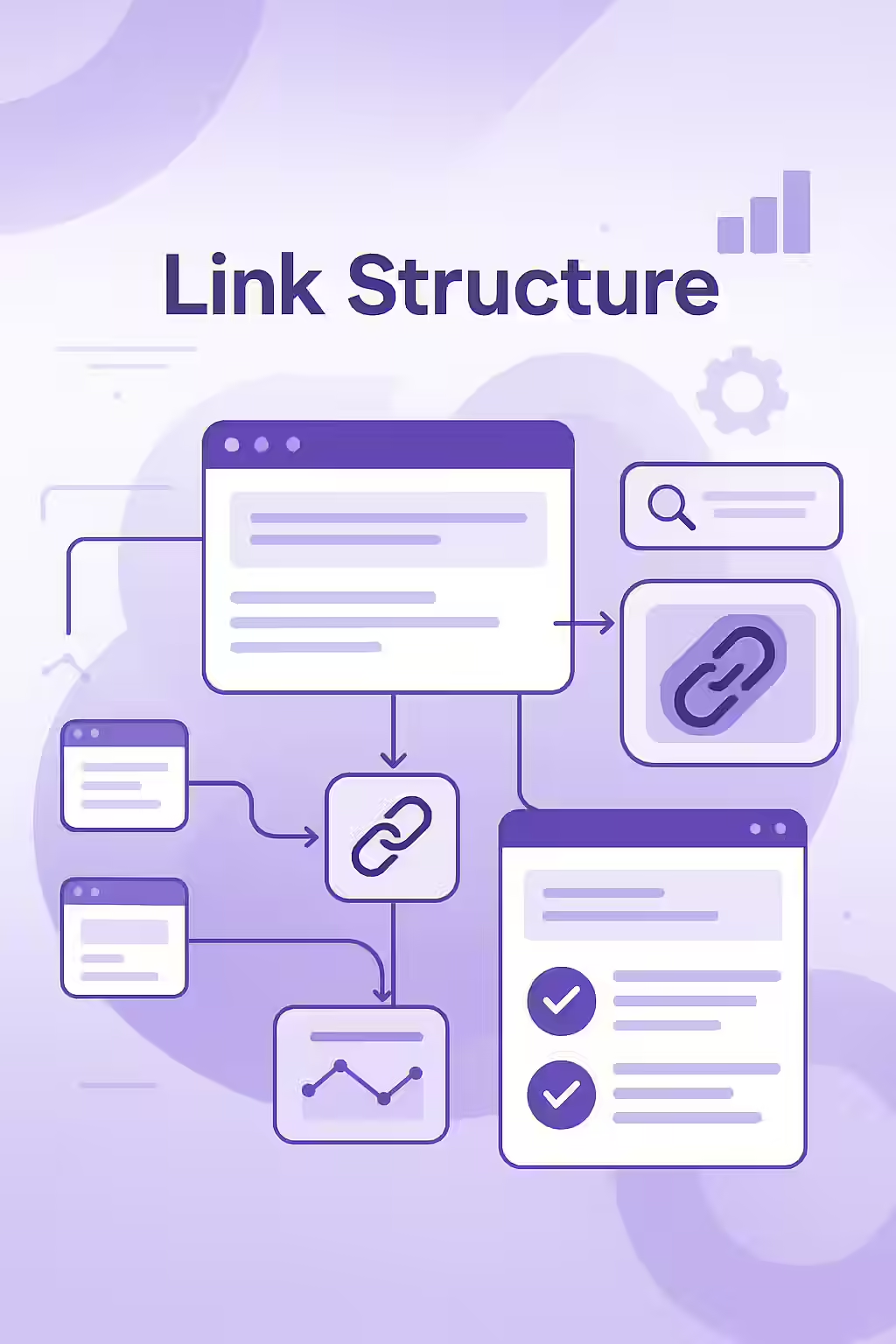
Link structure, also known as site architecture, is the way your internal pages are organized and linked to one another. It is the blueprint that search engines use to understand the hierarchy of your content and to discover all of your pages. A logical, well-planned link structure is one of the most powerful and underrated aspects of on-page SEO, directly impacting crawlability, PageRank distribution, and user experience.
Think of your link structure as the system of roads in a city. A good system has major highways (links from your homepage) leading to main streets (category pages), which then lead to smaller side streets (individual product or blog pages). This clear hierarchy makes it easy for anyone to navigate the city and understand which areas are most important. For a broader look at linking, see our guide on the links category.
The SEO Pillars of a Strong Link Structure
A deliberate approach to your site’s architecture provides numerous SEO benefits. For a deep dive into this topic, this guide from Ahrefs on site structure is an excellent resource.
- Improved Crawlability: A logical structure with plenty of internal links makes it easy for search engine bots to find all of your content, ensuring that even your deepest pages get discovered and indexed.
- Enhanced PageRank Flow: Your homepage typically has the most authority. A good link structure efficiently distributes this PageRank throughout your site, signaling the relative importance of your pages.
- Better User Experience: An intuitive structure, supported by clear navigation and breadcrumbs, helps users find what they are looking for, which reduces bounce rates and increases time on site.
A Step-by-Step Guide to Auditing Your Link Structure
The goal is to ensure your most important pages are easy to find and have a strong flow of internal link equity. For Google’s perspective on this, their SEO Starter Guide emphasizes the importance of a logical site hierarchy.
- Visualize Your Structure: Use a website crawler like Creeper to generate a visualization of your site’s link graph. This will help you see how your pages are interconnected.
- Check Click Depth: Your most important pages should have a low click depth, meaning they should be accessible within just a few clicks from the homepage.
- Identify Orphan Pages: Use your crawl data to find any valuable pages that have no internal links pointing to them. These pages are invisible to search engines and need to be integrated into your link structure.
For more on this topic, this guide from Moz on internal linking is an excellent resource.
Frequently Asked Questions
What is a ‘flat’ vs. ‘deep’ link structure?
A ‘flat’ site architecture is one where all important pages are only a few clicks away from the homepage. A ‘deep’ architecture requires users to click through many layers of categories to reach specific content. For SEO, a flatter structure is almost always better as it allows PageRank to flow more easily to important pages and makes them easier for search engines to discover.
What is ‘siloing’?
Siloing is the practice of grouping related content into distinct sections or categories within your site. For example, a pet store website might have silos for ‘dog food,’ ‘cat toys,’ and ‘fish tanks.’ This helps to establish topical authority by creating a clear hierarchy of information, which is beneficial for both users and SEO.
What are ‘orphan pages’ and how do they relate to link structure?
Orphan pages are pages that have no internal links pointing to them. They are completely disconnected from your site’s link structure. This is a major SEO issue because search engines (and users) have no way to discover them. A good link structure ensures that no important pages are orphaned.
Is your site’s blueprint solid? Start your Creeper audit today to analyze and improve your site’s link structure.