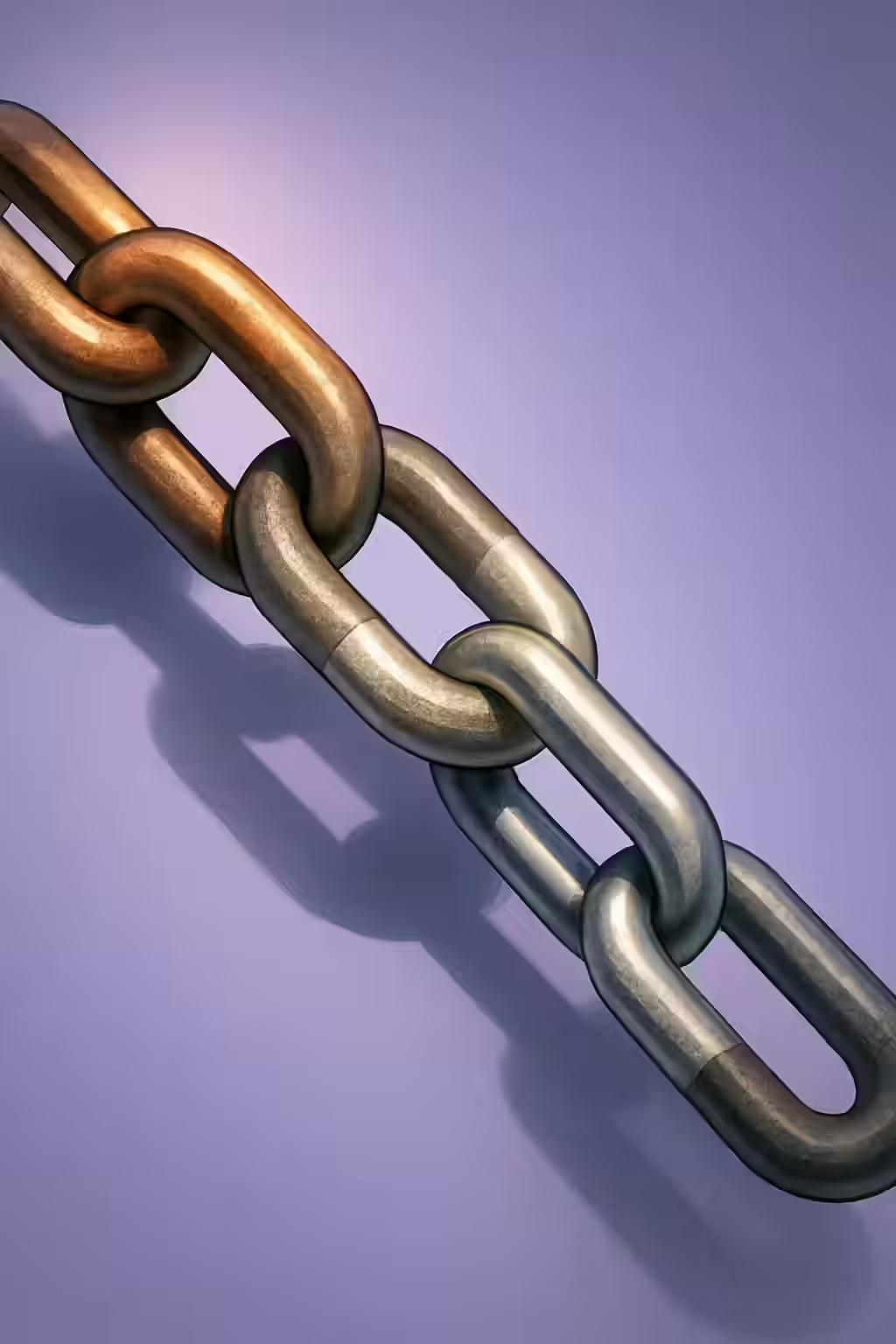
In the world of SEO, it’s the little things that make a big difference. And when it comes to your website, one of the most important little things is internal links. Internal links are links that go from one page on your website to another. They’re an important part of any SEO strategy, as they can help to improve your crawlability, your user experience, and your link equity. This guide will explore the importance of internal links and how to create a good internal linking strategy.
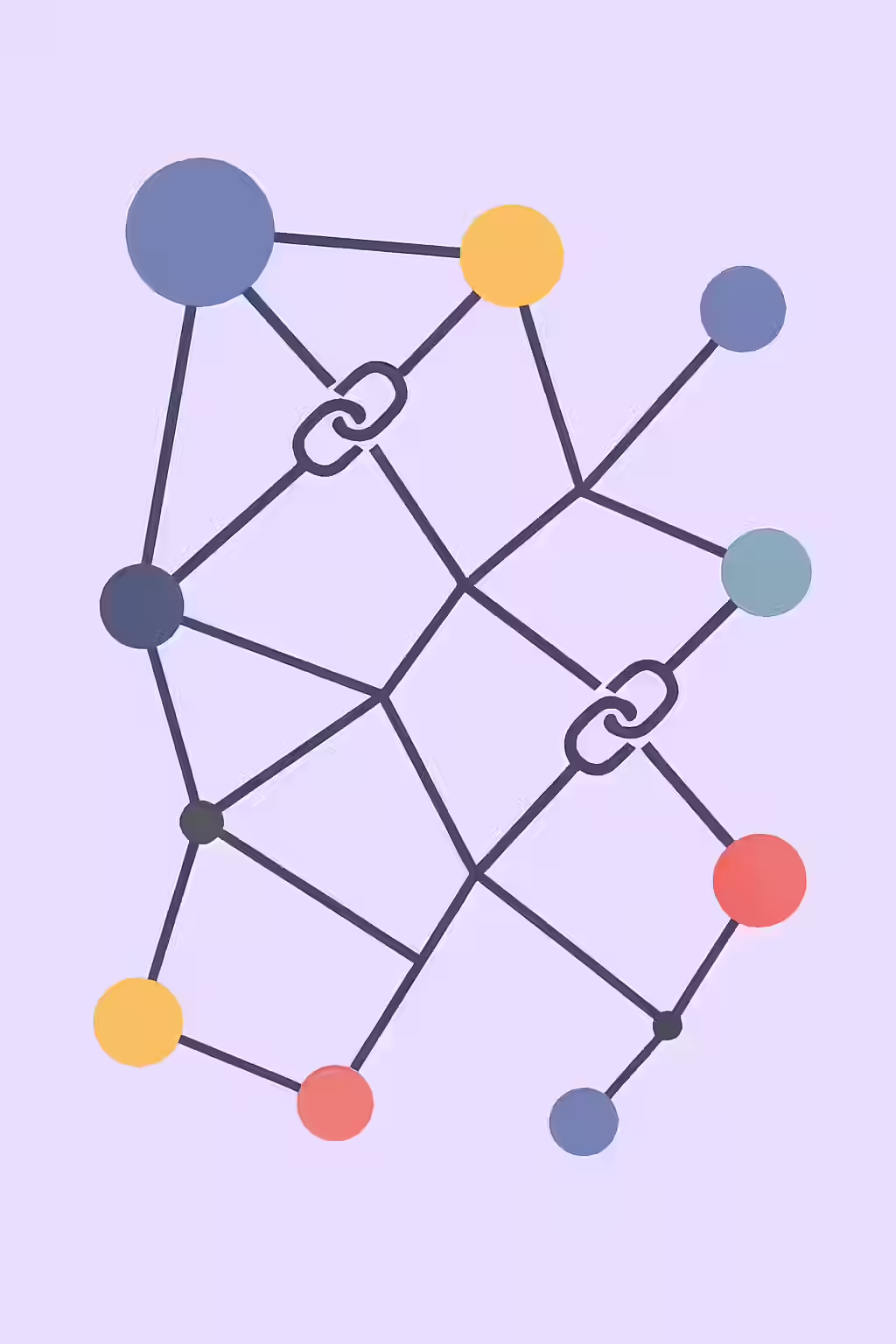
Think of your website as a city. You want to make sure that all the roads are connected and that it’s easy for people to get around. The same is true for your website. By creating a good internal linking strategy, you can create a more successful and user-friendly experience for everyone. For a deeper dive into the world of SEO, see our article on on-page SEO.
Creating a good internal linking strategy is a simple but important task. Here’s how to do it:
Learn what 4xx client errors are, how they can harm your SEO, and how to find and fix them to improve your website’s health and user experience.
Learn what 5xx server errors are, how they can damage your SEO, and how to troubleshoot and fix them for a more stable and reliable website.
Learn about the top 10 most linked pages and how they can help you to improve your SEO.
Learn what a broken fragment identifier (or ‘bookmark’) is, why it’s bad for user experience, and how to fix it by ensuring the target element has a matching ID.
Learn why links that rely on JavaScript and lack a crawlable href attribute are a problem for SEO, and how to fix them with standard HTML tags.
A page with only ‘nofollow’ internal links is an orphan in the eyes of search engines, receiving no PageRank. Learn why this is a critical issue and how to fix it.
Using ‘nofollow’ on internal links is an outdated practice that wastes PageRank. Learn why you should remove internal nofollow outlinks to improve your site’s authority flow.
If a page is only linked to from non-indexable pages, it’s effectively an orphan. Learn how to fix this critical link structure issue to improve crawlability and indexing.
Using ‘nofollow’ on internal links is a mistake that wastes PageRank, while using it on external links is a valid way to handle untrusted content. Learn the critical difference.
Learn why descriptive anchor text is so important for external links. Discover how to fix anchor text issues and improve your SEO.
A logical link structure is the foundation of a successful SEO strategy. Learn how to design your site’s architecture to improve crawlability and PageRank flow.
Orphan URLs are pages with no internal links, making them nearly impossible for search engines to find. Learn how to discover and reintegrate these lost pages to improve your SEO.
Links to ‘localhost’ or ‘127.0.0.1’ are a sign of a development error and create broken links for users and search engines. Learn how to find and fix these dead-end links.
Pages buried deep within your site structure are hard for search engines to find and value. Learn how to improve your site architecture and reduce crawl depth for better SEO.
An excessive number of internal links on a page can dilute its authority and overwhelm users. Learn how to audit and optimize pages with high internal outlinks.
Pages without internal links are dead ends for users and search engines. Learn why this is a problem for SEO and how to fix it by improving your site’s link flow.
Learn why having both follow and nofollow internal links pointing to the same page sends mixed signals to search engines and how to fix it for a consistent internal linking strategy.
A well-connected website is a more successful website. By creating a good internal linking strategy, you can improve your user experience, reach a wider audience, and even improve your SEO. For more on the importance of a well-structured website, check out this guide to internal links from Moz.
Don’t let your website be a maze. By taking the time to create a good internal linking strategy, you can build a more successful and user-friendly online presence. For more on how to create a winning on-page strategy, see our article on on-page SEO.

Ready to tackle all your SEO issues head-on? Start your comprehensive audit with Creeper today.
Have questions about our services? Contact us today for a free consultation and performance audit.
By filling out this form, you agree to our Privacy Policy.