In the world of SEO, your internal linking structure is the roadmap that guides search engines through your site. A page that receives both follow and nofollow internal inlinks is sending mixed signals to that roadmap. On the one hand, you’re telling search engines that the page is important enough to be followed. On the other, you’re telling them not to pass any authority to it. This contradiction can confuse search engines and lead to unpredictable crawling and indexing behavior.
Think of your website as a library. A ‘follow’ link is a clear signpost pointing to a recommended book. A ‘nofollow’ link is a signpost with a ‘do not enter’ sign. Having both pointing to the same book is confusing for the librarian (the search engine). By fixing these mixed signals, you can create a more successful and crawlable website. For a deeper dive into the world of linking, see our article on link structure.
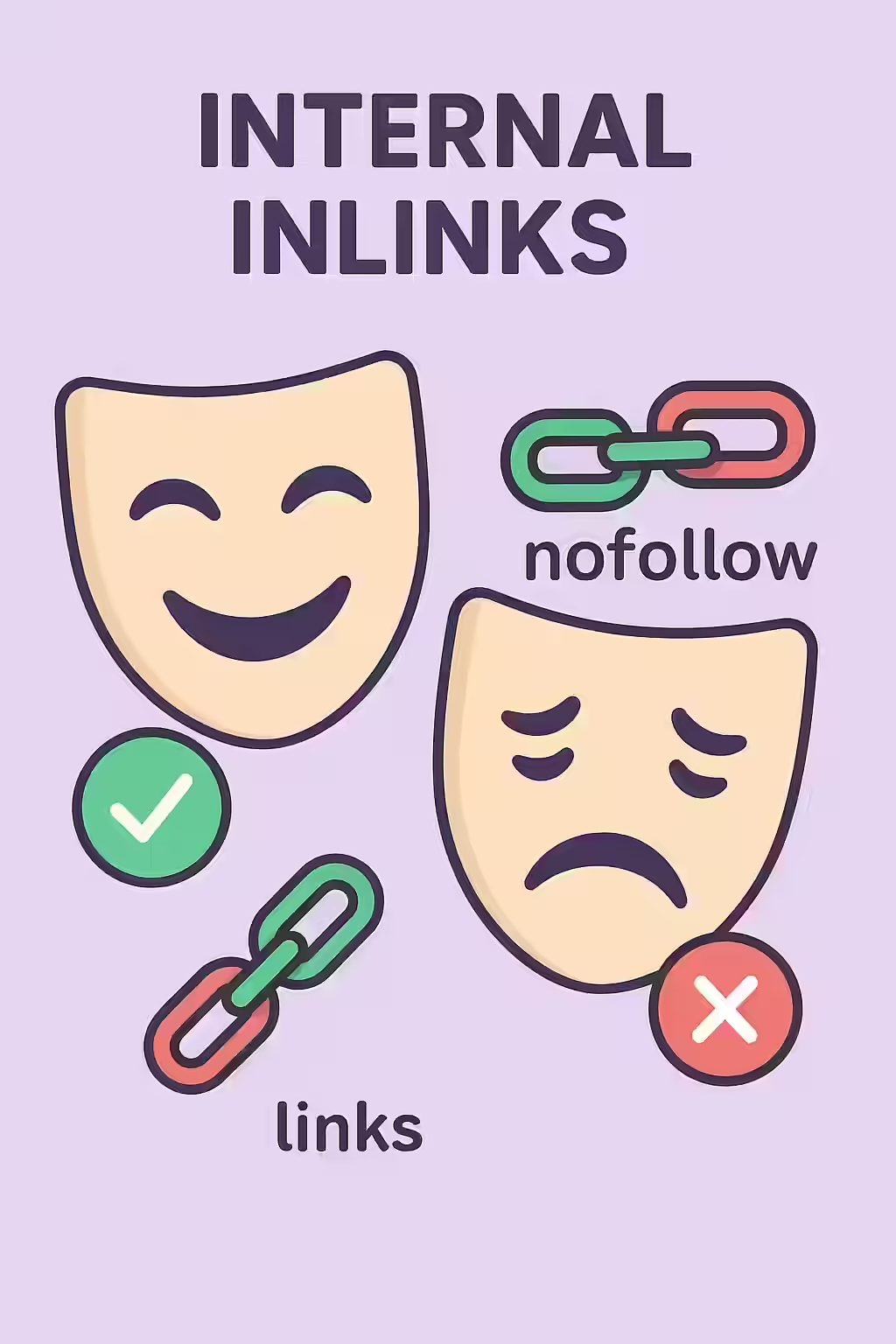
Why Mixed Signals Are a Problem
The primary issue with having both follow and nofollow links to the same page is the lack of a clear, consistent signal. As detailed in this guide to nofollow links from Moz, the `nofollow` attribute is a strong directive.
- Confusing for Search Engines: You are simultaneously endorsing and not endorsing the same page, which can cause search engines to be unsure of how to treat it.
- Inefficient PageRank Flow: The `nofollow` attribute prevents the flow of PageRank. Using it on internal links is a form of “PageRank sculpting” that is no longer an effective SEO strategy.
How to Fix Conflicting Internal Links
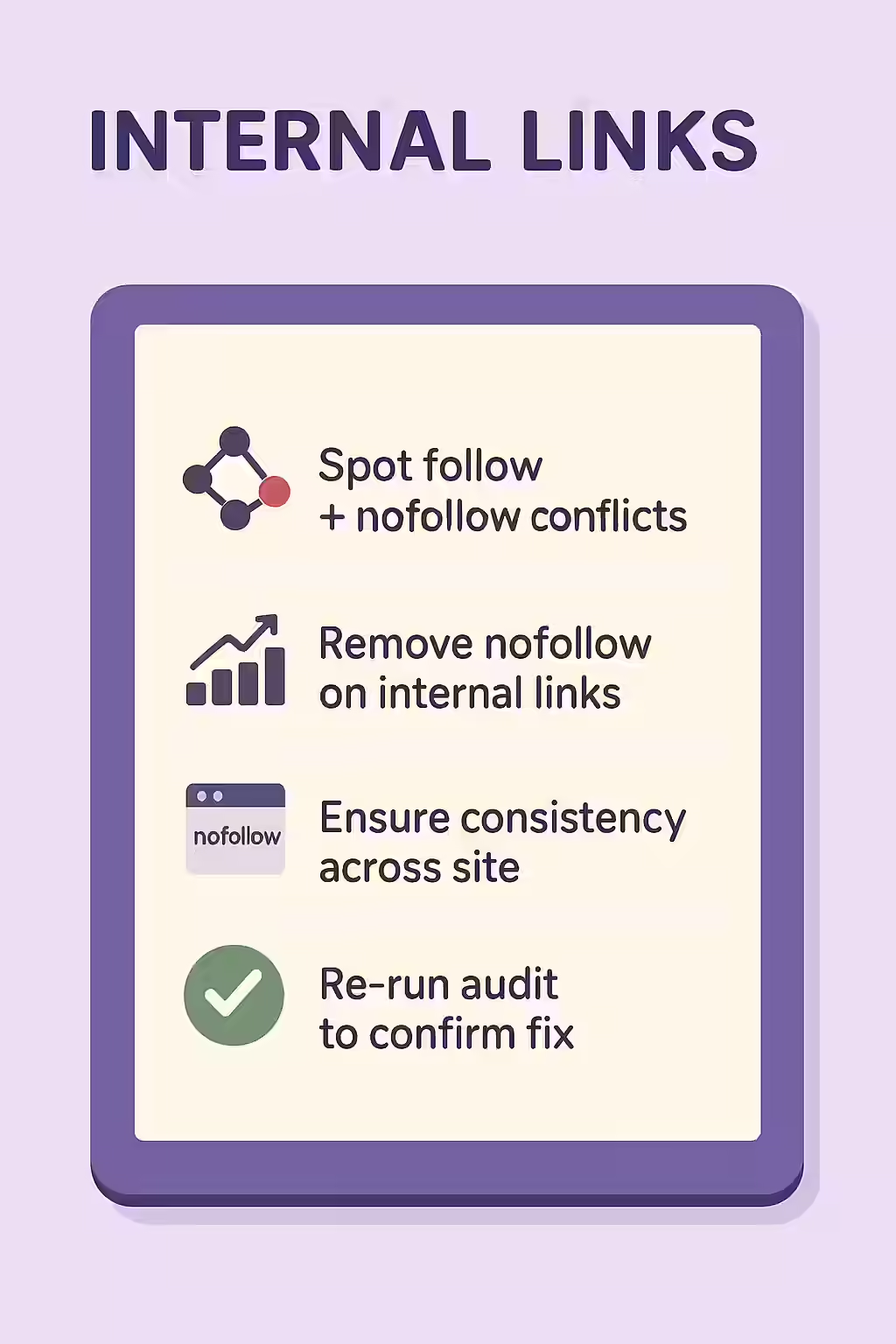
The fix for this issue is to be consistent. In almost all cases, this means removing the `nofollow` attribute from your internal links. For Google’s official guidance, see their documentation on qualifying your outbound links.
- Identify the Conflicting Links: Use an SEO audit tool like Creeper to find all pages that have both follow and nofollow internal inlinks.
- Remove the `nofollow` Attribute: The best practice for modern SEO is to not use `nofollow` on any internal links. Go through your content and remove the `rel=”nofollow”` attribute from any links pointing to other pages on your own site.
For more on how to create a winning on-page strategy, see our article on on-page SEO.
Frequently Asked Questions
What is the difference between a follow and a nofollow link?
A ‘follow’ link (a standard link with no `rel` attribute) tells search engines to pass PageRank and to consider the link as an endorsement. A `rel=”nofollow””` link tells search engines not to pass PageRank and that the link should not be seen as an endorsement.
Why is it bad to have both follow and nofollow links to the same internal page?
Having both follow and nofollow links to the same internal page sends mixed signals to search engines. You are simultaneously telling them that the page is important enough to follow, but also not important enough to endorse. This can lead to unpredictable crawling and indexing behavior.
Should I ever use ‘nofollow’ on internal links?
In modern SEO, there is almost no good reason to use `nofollow` on internal links. It prevents the flow of PageRank and can prevent search engines from discovering important pages. If you don’t want a page to be indexed, it’s better to use a ‘noindex’ meta tag.
Ready to fix your two-faced pages? Start your Creeper audit today and see how you can improve your website’s links.
“