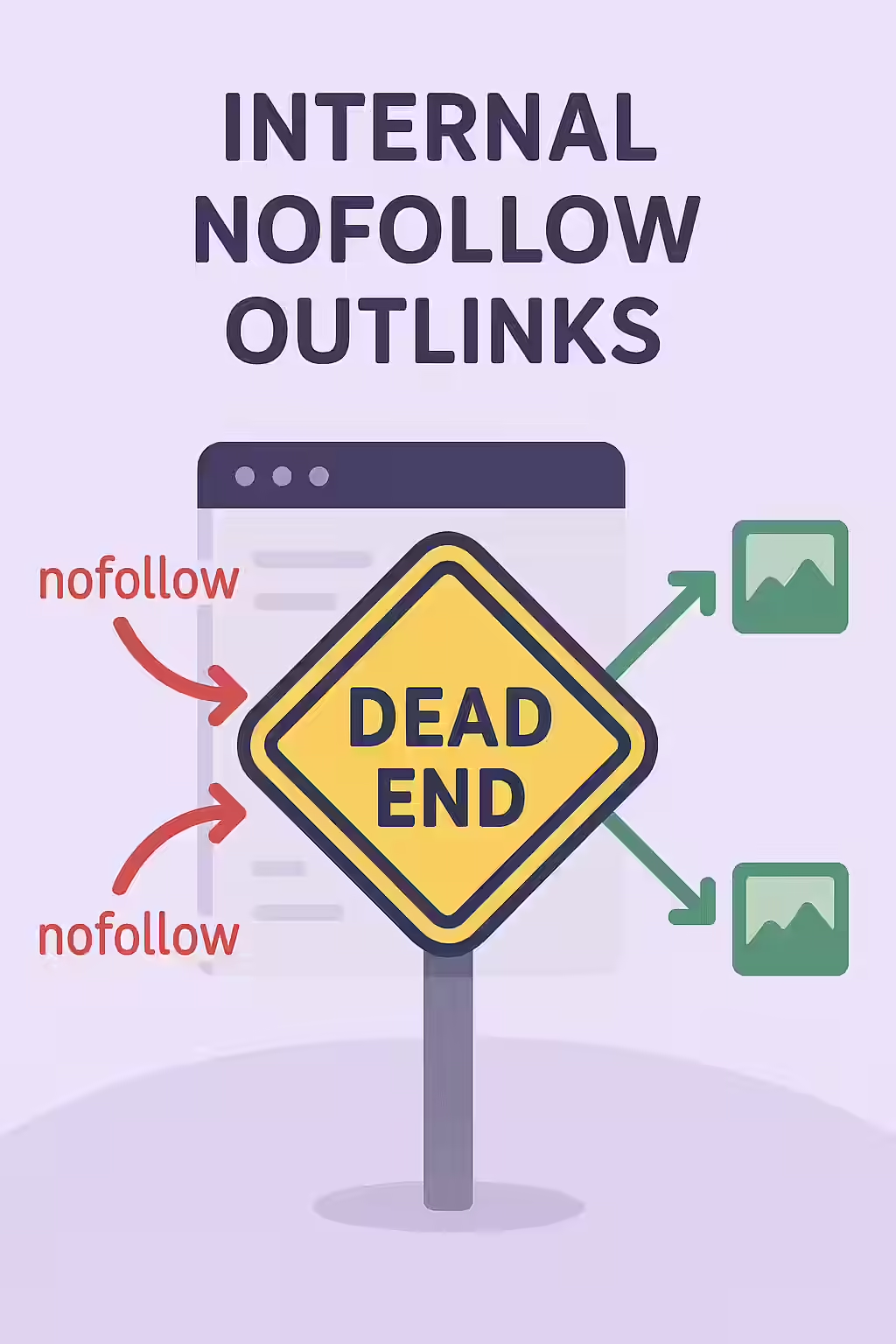
Internal links are the arteries of your website, carrying PageRank and authority from one page to another. An internal nofollow outlink is a link from one page on your site to another page on your site that has the `rel=”nofollow”` attribute. This is a critical SEO mistake because it effectively creates a leak in your authority flow. The PageRank that should have been passed to the linked page is simply lost.
Think of your site’s PageRank as a bucket of water. Every link is a hole that lets water flow to another bucket. A `nofollow` attribute plugs that hole, but the water doesn’t magically flow out of the other holes faster. Instead, that share of the water just evaporates. Using `nofollow` on internal links is like intentionally poking holes in your own bucket. For a broader look at linking, see our guide on the links category.
Why Internal Nofollow is an Outdated Practice
The practice of using `nofollow` on internal links stems from an old and now-debunked SEO strategy called “PageRank sculpting.” The theory was that you could concentrate more authority on your important pages by nofollowing links to less important ones. However, as Google has clarified, this is not how it works. PageRank is divided by the total number of links on a page, and the share for any nofollowed links is simply discarded.
A Step-by-Step Guide to Plugging the Leaks
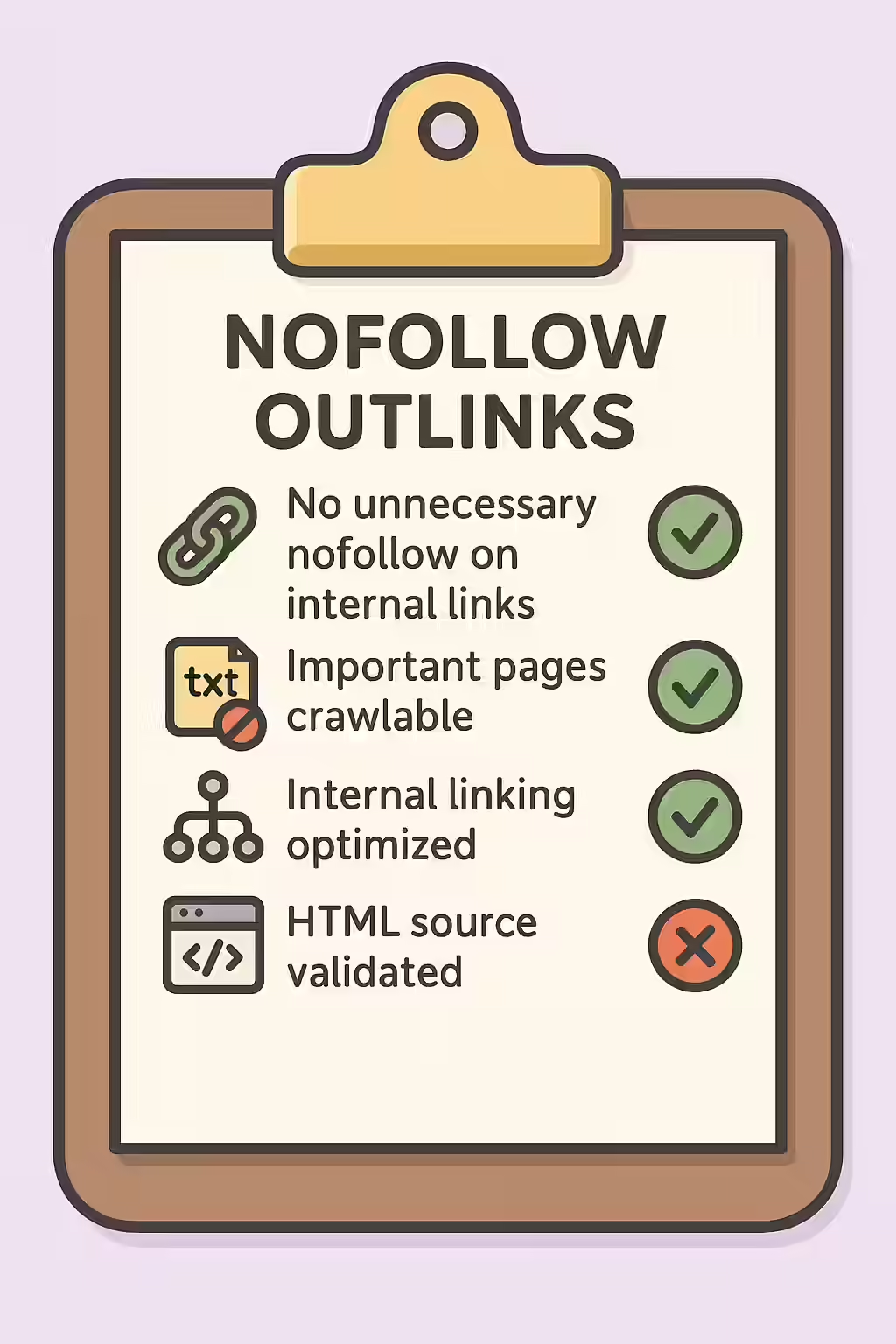
The solution is simple: remove the `nofollow` attribute from all legitimate internal links. For a deep dive into the `nofollow` attribute, this guide from Ahrefs is an excellent resource.
Example: Removing an Internal `nofollow`
<!-- Before: Nofollow attribute blocking PageRank --> <a href="/important-page" rel="nofollow">My Important Page</a> <!-- After: Nofollow attribute removed --> <a href="/important-page">My Important Page</a>By removing unnecessary internal nofollow tags, you allow your site’s authority to flow freely, giving all of your important pages a better chance to rank. This is a key part of a successful on-page SEO strategy. For more on this topic, see our guide on the difference between internal and external nofollow links.
Frequently Asked Questions
Should I use ‘nofollow’ on links to my contact page or other ‘unimportant’ pages?
No. This is a classic example of outdated ‘PageRank sculpting.’ Every page on your site that you want users to find should be linked to with a standard, followed link. Nofollowing these links simply wastes the PageRank that would have flowed to them and signals to Google that you don’t consider them important.
Should I use ‘nofollow’ on external links?
It depends. For user-generated content (like blog comments) or sponsored links, using `rel=”nofollow”` (or the more specific `ugc` and `sponsored` attributes) is a best practice. However, for normal editorial links to external sites that you trust, a standard ‘dofollow’ link is perfectly fine.
How can I find all the internal nofollow outlinks on my site?
The most effective way is to use a website crawler like Creeper. It will scan every page and provide a detailed report of all outgoing links, allowing you to filter for internal links that have the `rel=”nofollow”` attribute.
Are you leaking PageRank? Start your Creeper audit today to find and fix all internal nofollow outlinks.