For a page to be discovered and valued by search engines, it needs to receive internal links from other indexable pages on your site. A critical and often overlooked issue is having a page where all of its incoming links (inlinks) come from non-indexable sources. These are pages that are blocked by `robots.txt`, have a `noindex` tag, or are canonicalized to another URL. This effectively makes the target page an orphan in the eyes of search engines, as it has no valid crawl paths leading to it.
Think of your website as a house. An indexable page is a room that’s on the main blueprint. A page with only non-indexable inlinks is like a hidden room whose only entrance is through a closet that’s been walled off. No one will ever find it because there’s no accessible path. For a broader look at your site’s architecture, see our main guide on link structure.
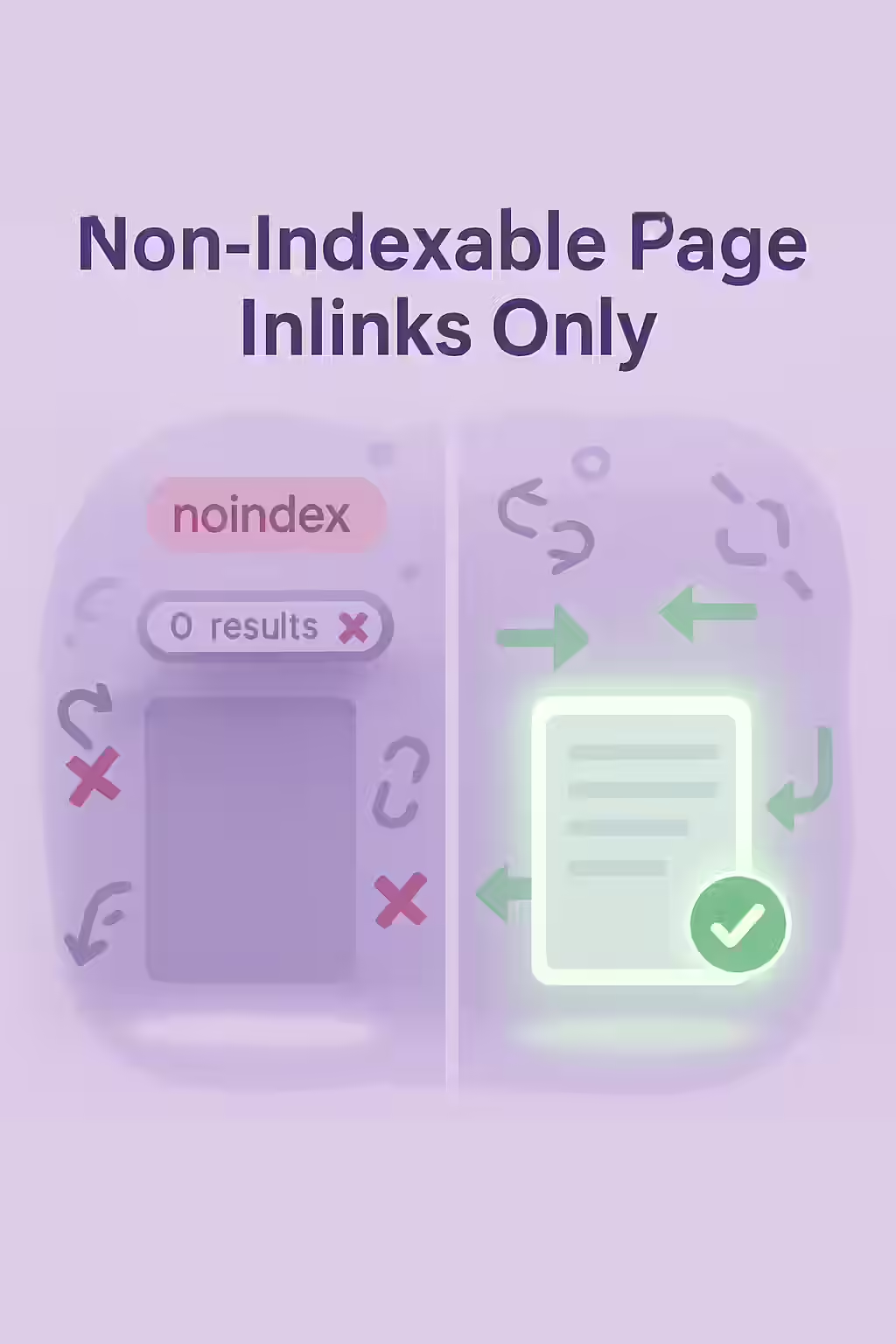
Why This Is a Critical Crawlability Issue
Search engines discover new content by following links from pages they already know about. If the only links to a page are from sources that are themselves invisible to search engines, the target page is unlikely to be found. For a deep dive into this topic, this guide to internal linking from Moz is an excellent resource.
- Prevents Discovery and Indexing: The page may never be crawled or indexed because there are no valid paths for search bots to follow.
- Blocks PageRank Flow: No link equity or authority can flow to the page, as links from non-indexable pages do not pass PageRank.
- Signals Poor Site Architecture: It’s a sign of a disorganized and poorly planned site structure, which can negatively impact your overall SEO performance.
A Step-by-Step Guide to Fixing Hidden Pages
The goal is to ensure that every important, indexable page on your site has at least one internal link from another indexable page. For Google’s perspective on this, their guide on making your links crawlable is a must-read.
- Crawl Your Site: Use an SEO audit tool like Creeper to perform a full crawl. The tool will map out your entire internal link graph.
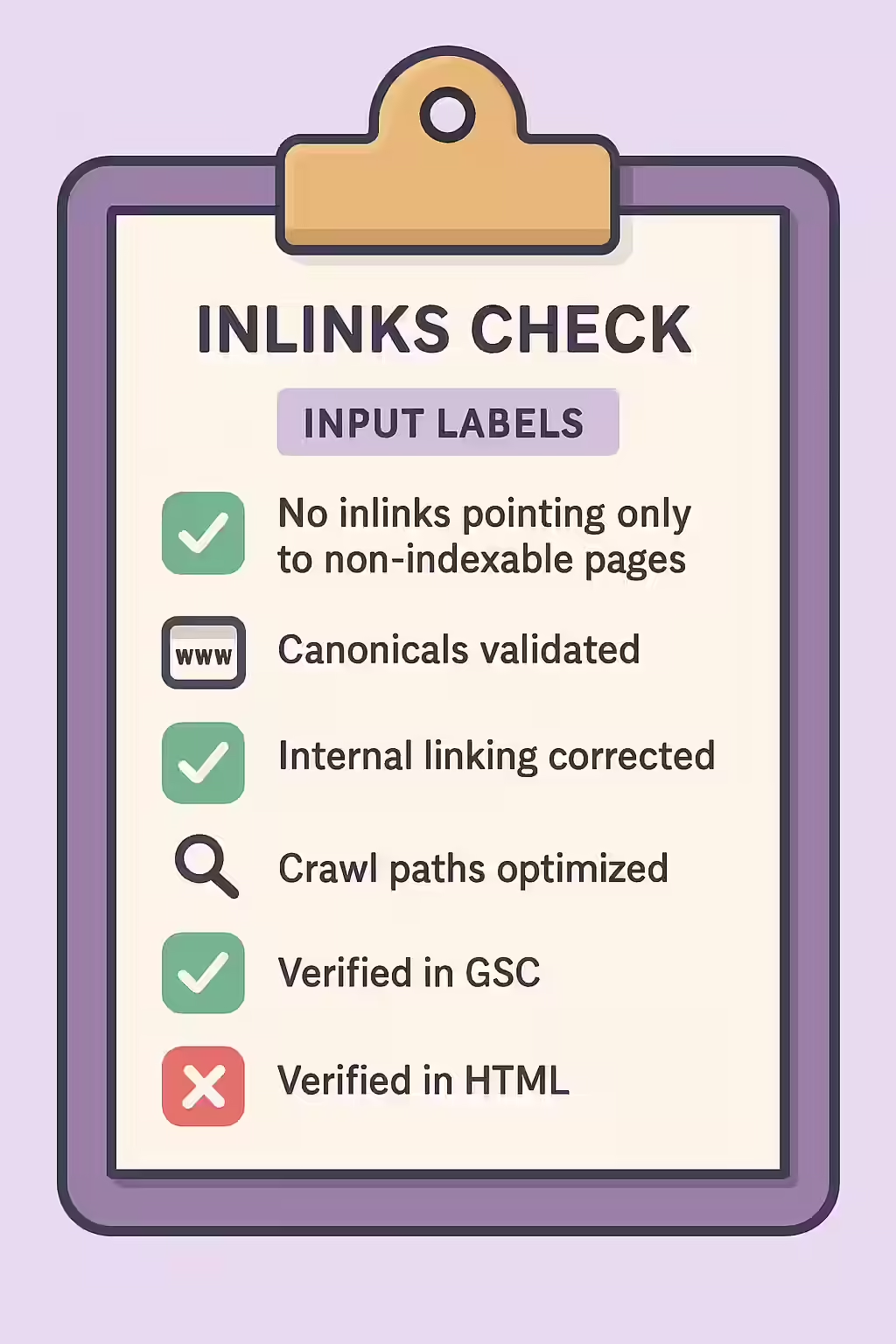
- Identify the Hidden Pages: Filter your crawl data to find all pages where 100% of their internal inlinks originate from non-indexable URLs.
- Create a Valid Crawl Path: For each identified page, you must add at least one internal link from a relevant, indexable page on your site. This could be from a category page, a blog post, or your main navigation.
- Review the Linking Pages: Alternatively, if the pages that are linking to your hidden page *should* be indexable, you should fix their non-indexability status instead.
The SEO Power of a Well-Structured Website
A well-structured website ensures that all of your valuable content is interconnected and easily discoverable by search engines. By fixing pages that are hidden behind non-indexable links, you can improve your site’s crawlability, ensure your content gets indexed, and strengthen your overall SEO. This is a key part of a successful on-page SEO strategy.
Frequently Asked Questions
What makes a linking page ‘non-indexable’?
A linking page is considered non-indexable if it has a `noindex` tag, is blocked by robots.txt, has a canonical tag pointing to a different URL, or returns a non-200 HTTP status code. Any of these signals prevent it from being a valid, indexable page that can pass authority.
Is this the same as an orphan page?
It’s a specific and more severe type of orphan page. A traditional orphan page has no internal links at all. A page with only non-indexable inlinks is arguably worse, as you have links pointing to it, but they provide no SEO value, making the page an orphan in the eyes of search engines.
How can I find these hidden pages on my site?
The most effective way is to use a website crawler like Creeper. It will build a complete map of your site’s link structure and can specifically filter for pages where 100% of their internal inlinks come from pages that are non-indexable for any reason.
Are some of your pages hidden in plain sight? Start your Creeper audit today to find and fix these critical linking issues.